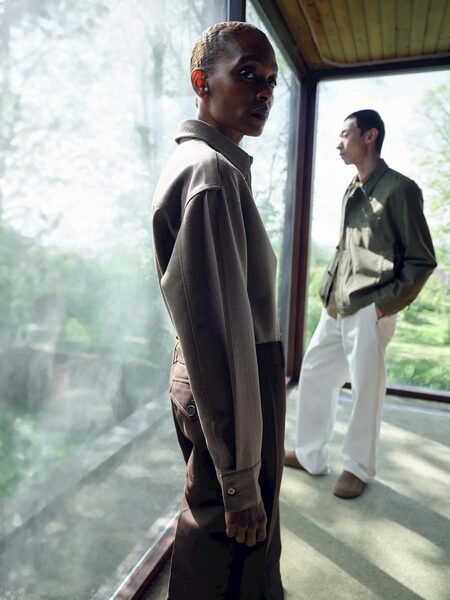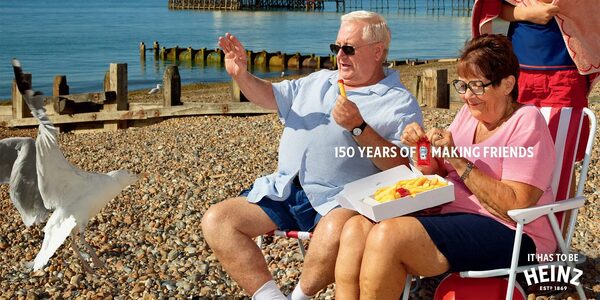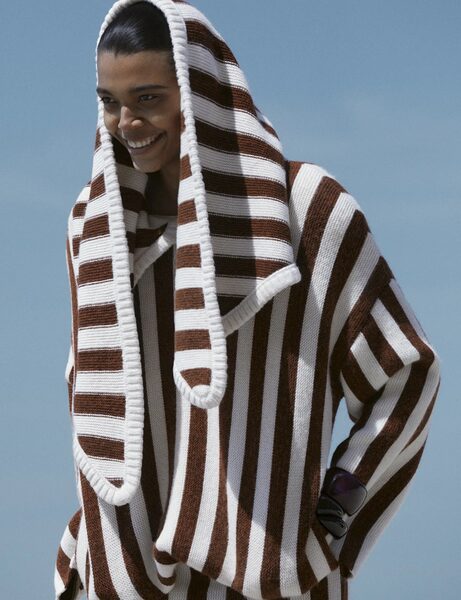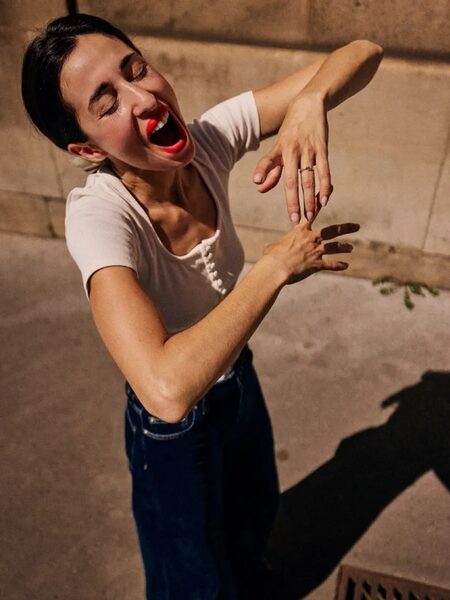
For The New York Times, Maggie SHANNON c/o MAKING PICTURES photographed two kids from California while they were training wild mustangs.
Alexander COGGIN c/o MAKING PICTURES was commissioned by the New Yorker to document the days leading up to the Queen’s funeral.
“The New Yorker contacted me on the afternoon/early evening of the Queen’s death (Thursday night) and told me that the Queen was ill and the royals were gathering at Balmoral. The editor asked me to please get my photo kit together and ready to go because they wanted to send me out to the streets of London right away. I hurried down to Buckingham Palace.
While we had wanted to start photographing the mourning process, we quickly realized that this was not at the scale of tragedy of Princess Diana. I think my editor assumed that there would be more visible emotion, yet it was rather sombre. But over the course of the five days on which we photographed, we started to see, above all, how commerce and capitalism were responding to the Queen. We started to see her face on mugs, T-shirts, flags and also how retail establishments were acknowledging her death.
It was an amazing experience, very hard work, and gave me a lot of insights into what Britishness is and how it is expressed at this interesting intersection of ritual, mourning, monarchy and emotion.”
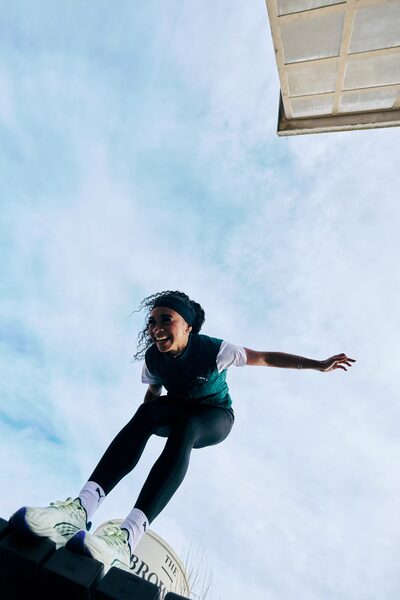
The photographs by Paul CALVER c/o MAKING PICTURES in ATHLETA MAGAZINE whisk us away to the air and water universe of Team GB Olympic diver Scarlett Mew Jensen. The athlete participated in her first Olympic Games in Tokyo at the age of nineteen, the perhaps most peculiar Olympics in history, without fans in the arena but with just as high expectations and as high-strung nerves as always. The photographer accompanied her, among other places, while dry diving at the London Aquatic Centre in Stratford.
A perfect dive, if you ask Scarlett, feels as if you were flying. In an interview, she tells us: “When you think about what you’re doing in training and why you’re doing it, it’s actually muscle memory. It’s training the nervous system so all these different parts fire the way you want. My coach always used to say that your body will try to choose the easiest path, but when you’re trying to make a change, you have to go around the long way to break that chain.”