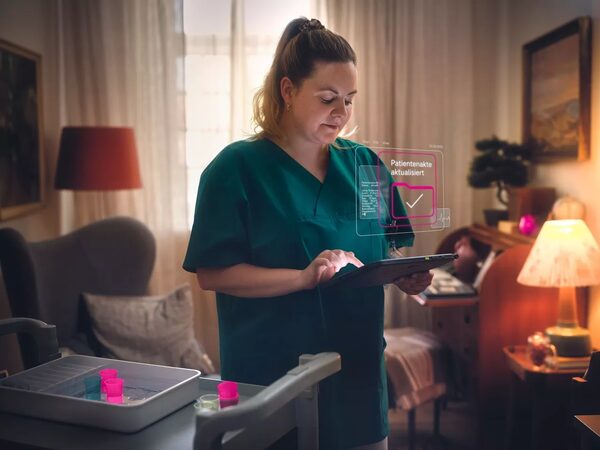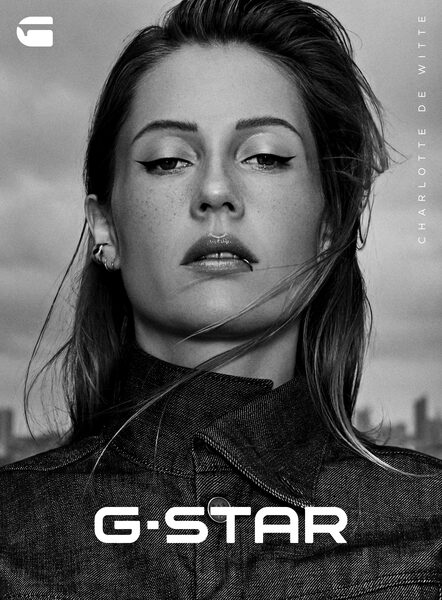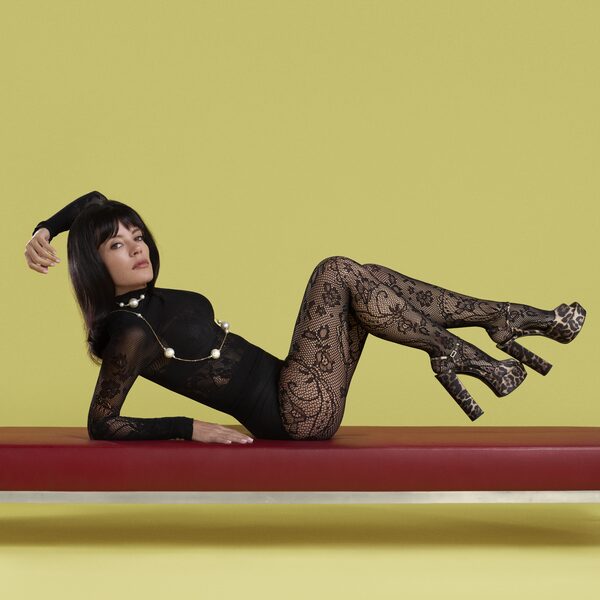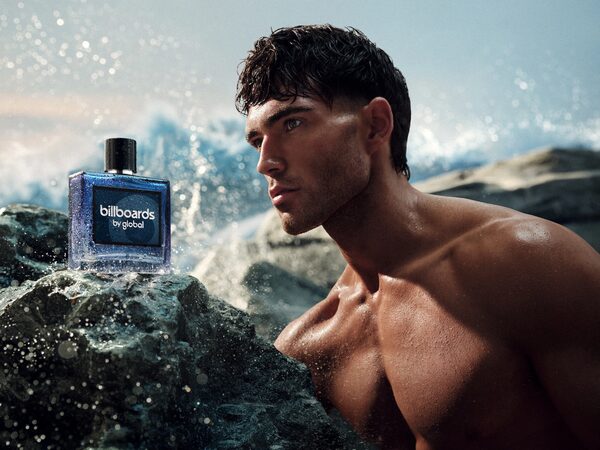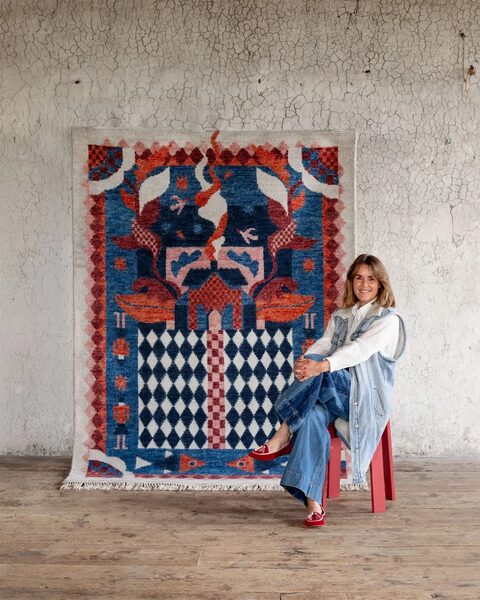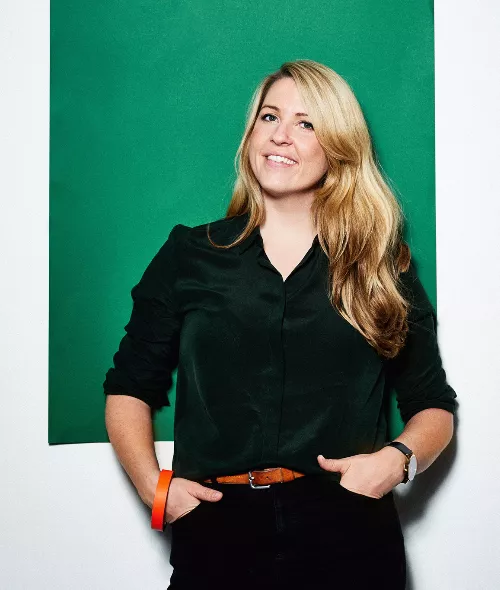
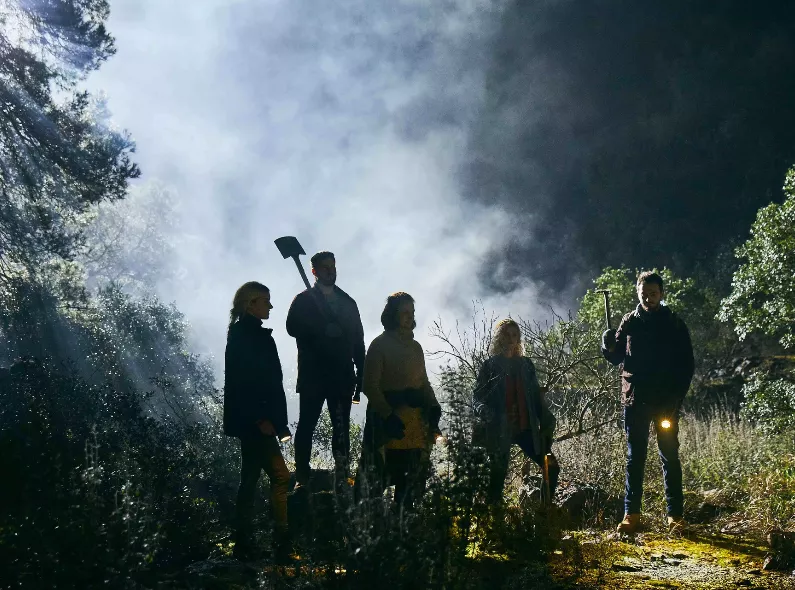
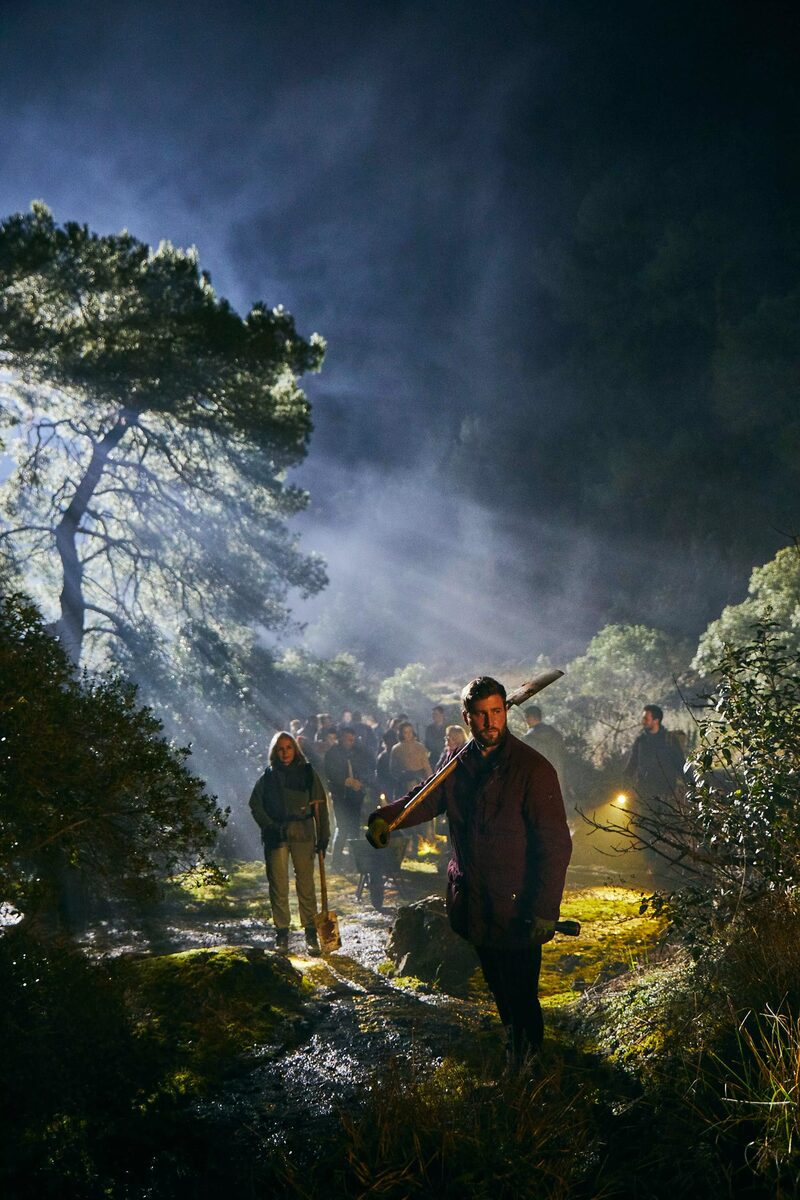
Berlin-based photographer Katharina Bohm c/o Klaus Stiegemeyer understands photography not simply as image-making, but as a way to access people and their stories. Her work moves between lifestyle, food and portrait photography – shaped by a documentary eye that creates intimacy and makes atmosphere tangible.
Equally distinctive is the way she presents her projects. On her website, she takes the viewer behind the scenes, describing processes, situations and encounters – from complex productions to quiet moments on set. The result is not only images, but stories you can follow and relate to.
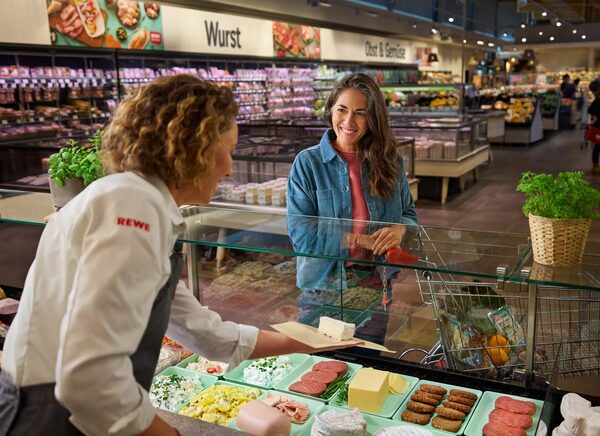
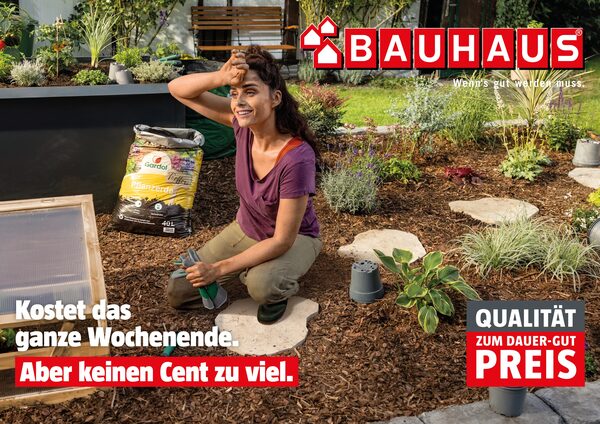
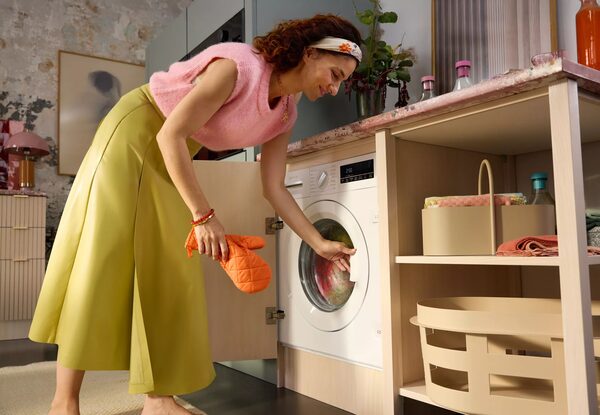
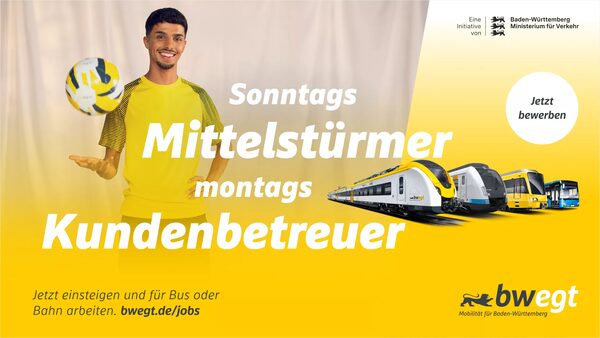
Whether shooting campaigns for clients such as Rewe, Bauhaus or Neff, or working on personal projects while traveling, Katharina Bohm combines authenticity with a strong understanding of production and teamwork. This connection between a documentary approach and commercial execution defines her visual language – and gives her work a depth that goes beyond the single image. We present the photographer with an interview and current projects on GoSee.
Your work feels very close to people and real-life situations. When did you realize that storytelling – not just the single image – is at the core of your photography?
For my diploma project, I spent half a year living and working with a Swiss farming family, documenting everything on analog medium format. It was essential to really spend time with them and understand the small moments and moods of everyday life on the farm. I think there is often a gap in photography between perception and reality. As Roland Barthes describes in Camera Lucida, the idea that an image can directly represent reality is an illusion. Whenever time allows, I’m interested in getting closer to the reality of my subjects, understanding them, and telling their story through my perspective.
On your website, you share small stories from your shoots. How important is it for you to create a narrative beyond the image?
That’s what fascinates me about this job – the chance to dive into different worlds, meet people and learn about their passions. These encounters are often inspiring, adventurous or simply interesting. That’s why I like to share them in short texts. You find yourself driving along remote mountain roads with winemakers in Georgia, trying to guide a herd of cows through the frame in sync, or still feeling the energy of the team after twelve hours on set while pushing for the final image.
You often emphasize teamwork. How much does the atmosphere on set influence your images?
We all know the challenges of long shot lists, limited time and sometimes tight budgets. I believe that everyone involved in a production works with passion. A campaign or film is always a collective effort. I see it as my responsibility to create an atmosphere where people feel comfortable and can be creative. For me, it’s important that there’s good catering, that everyone has enough to eat and can take breaks. You can create pressure all day, or you can trust that you’ll achieve it together. A positive vibe often leads to those small, unexpected moments – and helps everyone get through long days. Especially in times of AI, it’s more important than ever that people work with people.
Your images feel very natural, even in a commercial context. How do you balance client expectations with your own visual style?
That’s often the biggest challenge in commissioned work: understanding the client’s vision and combining it with external factors like time and budget, while staying true to your own style. It’s important to take the client seriously and establish open communication on set. I’ve been fortunate to work with clients who value the natural quality of my images. The more you connect with the subject, the easier it is to create believable work.
You talk about “small moments” during a shoot. Was there a situation where something unplanned became the strongest image?
It happens quite often that we’re already on a break or the shoot is technically finished, and then suddenly the model is standing in perfect light with exactly the right expression. The best images often happen when you stop trying to make everything perfect.
And what makes an image unforgettable for you?
The light, that perfectly imperfect expression in someone’s gaze, the story behind the image. But most of all, the moment of taking the photograph. I’m especially drawn to carefully observed work like Alec Soth’s, or the courage and humor of photographers like Martin Parr. In advertising, it’s often the campaigns where both client and photographer take a real risk – whether through bold perspectives or unexpected ideas.