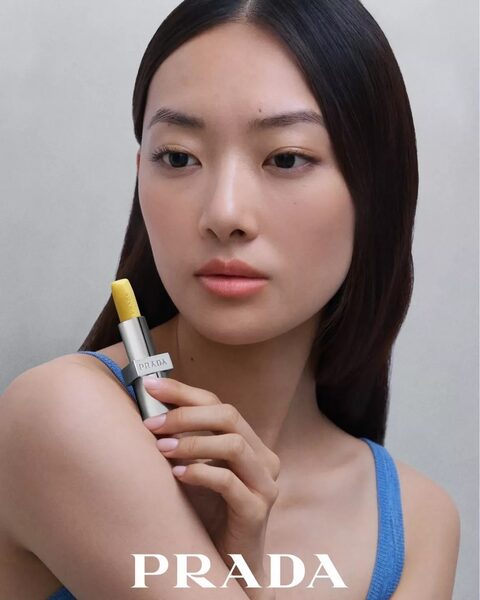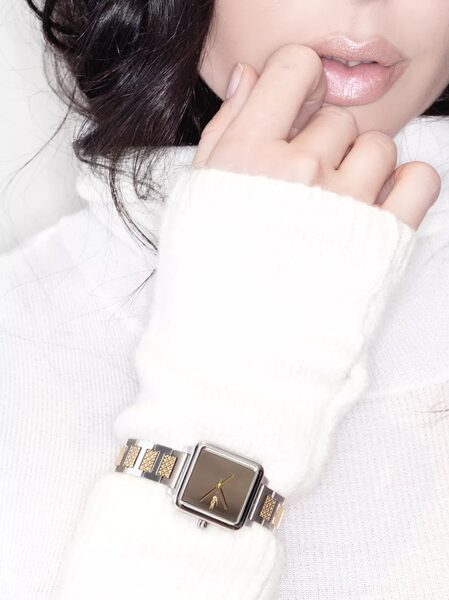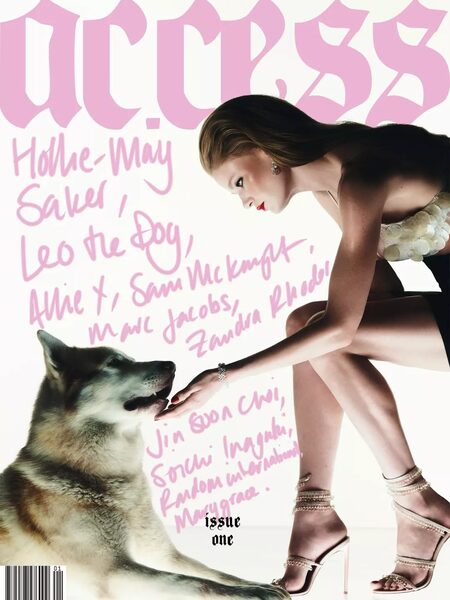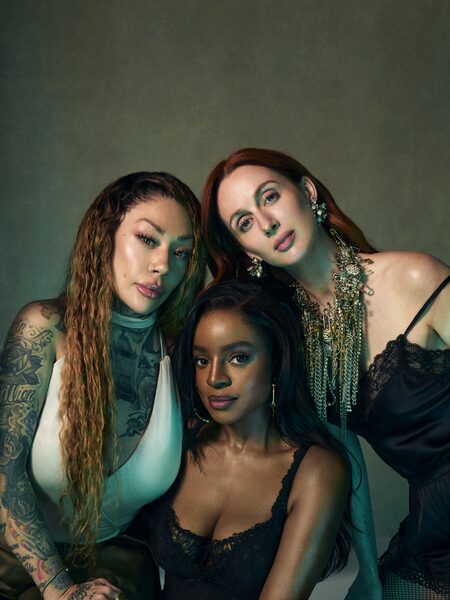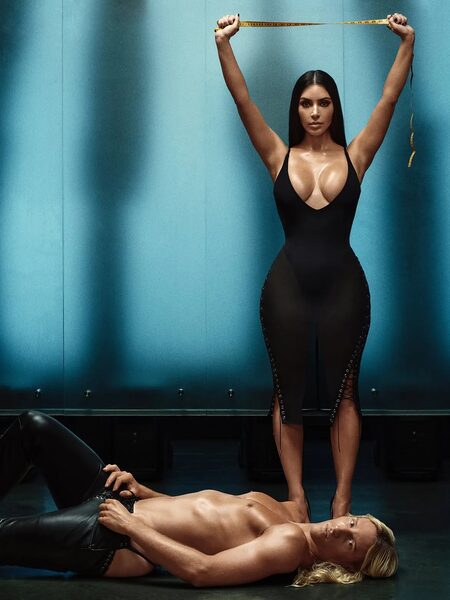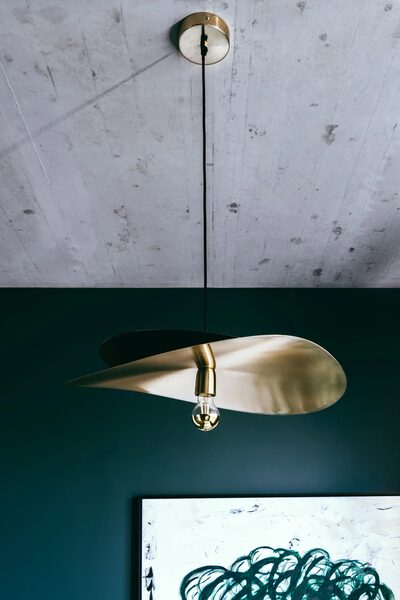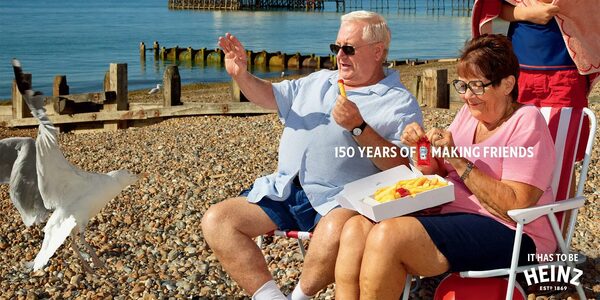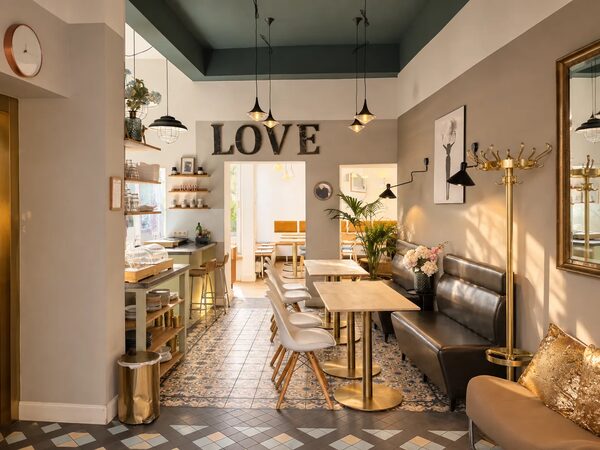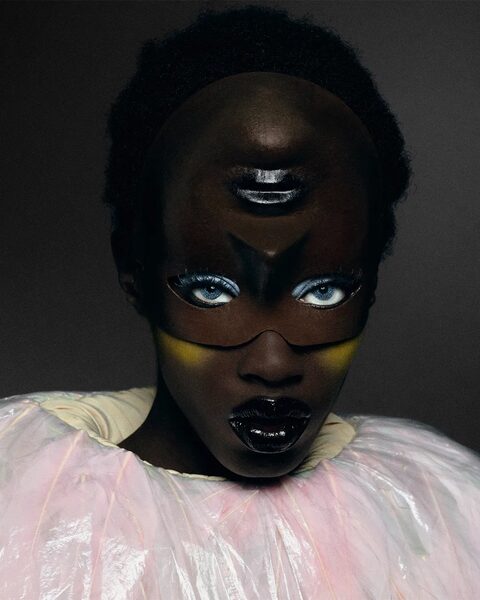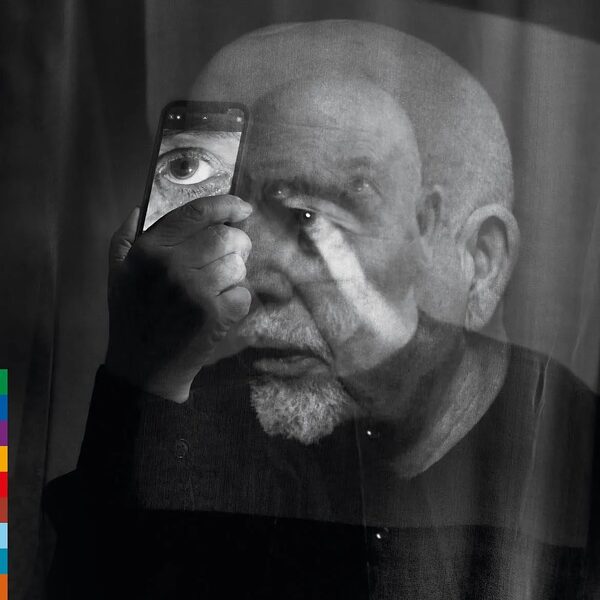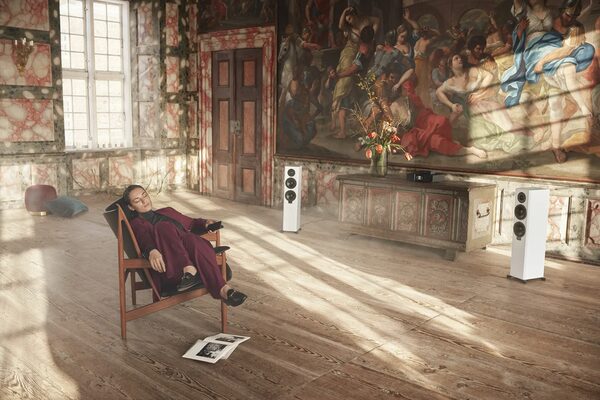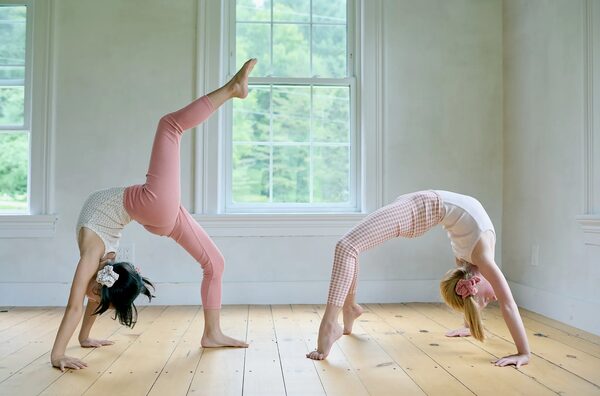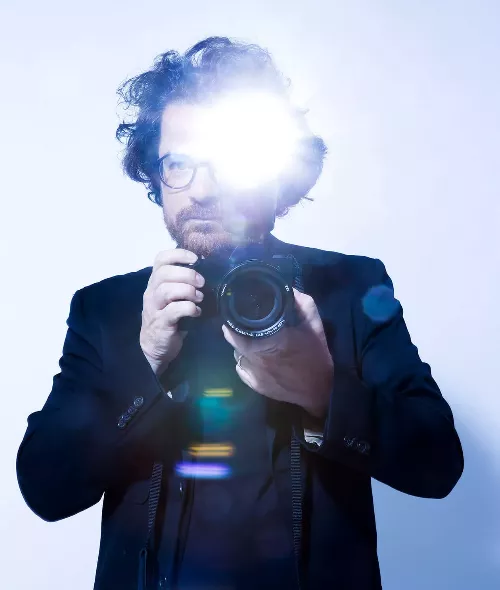
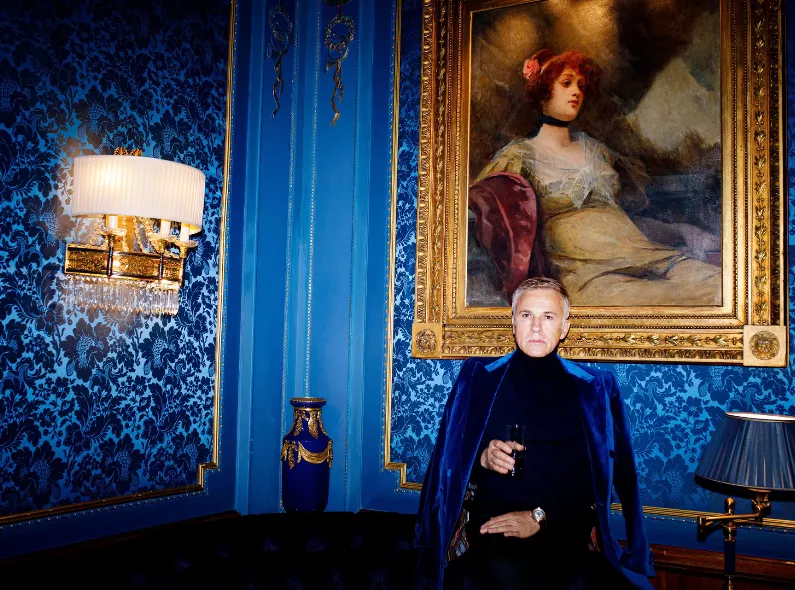
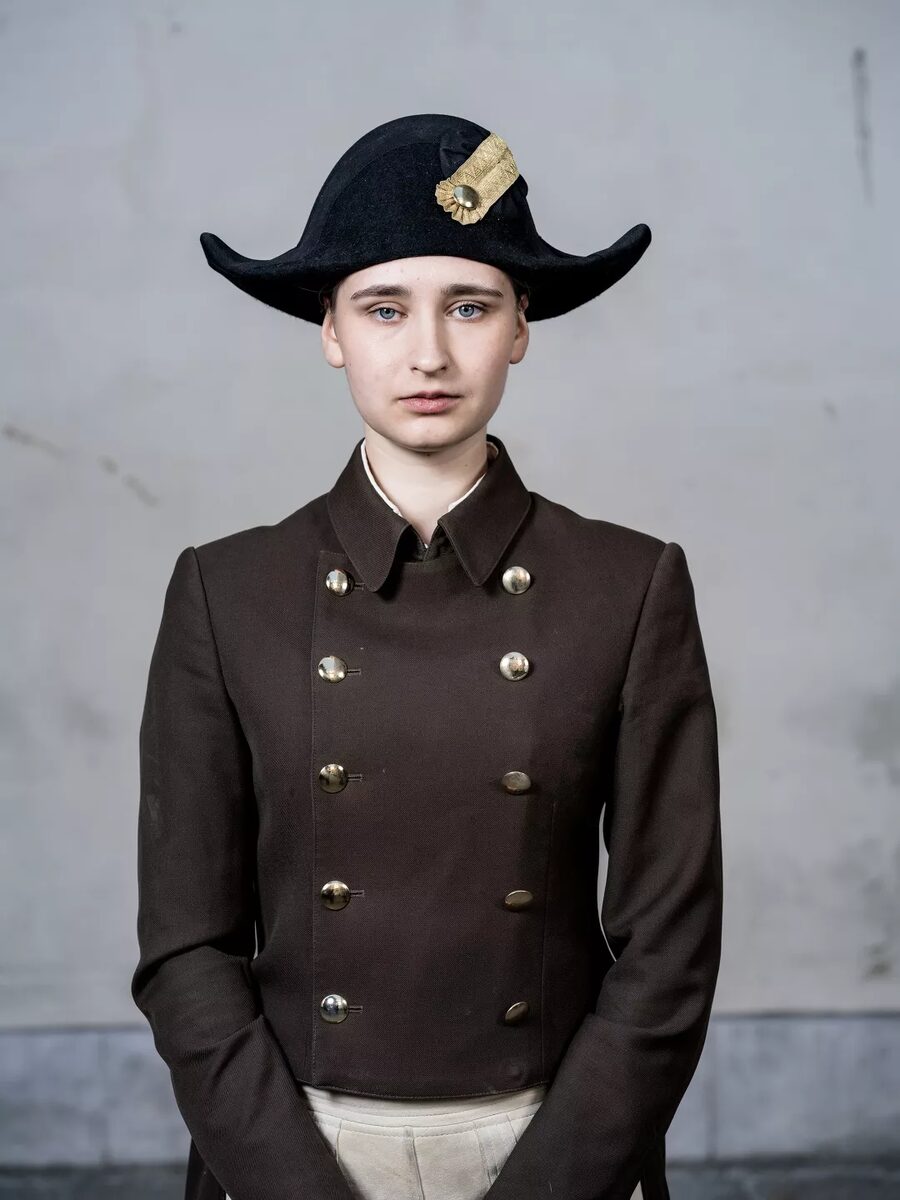
Peter Rigaud is a photographer and filmmaker, born in Salzburg. Today, he lives in Berlin, Paris, and Vienna, working for international editorial and advertising clients. Whether telling stories for BMW in California or shooting campaigns for banks, he masters the craft of visual storytelling. His philosophy is simple: “Photography is above all a matter of trust and collaboration.”
Among his strengths are striking portraits of Hollywood stars, personalities, and artists such as Marina Abramović, Bill Murray, and Christoph Waltz. He has captured politicians like Ursula von der Leyen, the German Chancellor, and Frank-Walter Steinmeier, sometimes in classic, sometimes in unconventional ways. Athletes and designers also belong to his portfolio, with work featured in VOGUE, STERN, SPIEGEL, DIE ZEIT, GEO, National Geographic, Vanity Fair, Numéro, The Wall Street Journal, and The New York Times.
His SPIEGEL cover featuring Angela Merkel recently won Gold at ADC Germany. Issue 48, titled “Men!”, showcased the former Chancellor’s first political statement since stepping down – a powerful portrait that sparked nationwide attention. The ADC jury praised the cover as “a clear statement on power, gender, and political culture,” noting that it resonates far beyond journalism.
In our GoSee interview, Peter Rigaud talks about the importance of careful preparation, the balance between closeness and distance to his subjects, and the “magic moment” that makes a photo truly unique. He also reflects on how photography captures time and keeps memories alive.
You have photographed the former Chancellor Angela Merkel several times during her time in office, most recently for the release of her biography Freiheit in her Berlin office. Now that she is retired, was this meeting different from previous ones? Peter: During her tenure, I photographed Angela Merkel multiple times—and to put it diplomatically, she is not very fond of being photographed. For a SPIEGEL cover in autumn 2022, I had already photographed her “in retirement” in her hometown in the Uckermark region. At that time, the latent pressure of office was still clearly noticeable. At the recent shoot in her private chancellor’s office, the atmosphere was noticeably more relaxed. My impression was that the release of her autobiography brought her great relief. There was also a hint of pride and joy—after all, the book marks the closing of a major and important chapter in her life.
How important is it for you as a photographer to build a personal connection with celebrities? Do you use first names to create closeness, or do you keep it more formal? Peter: Building a connection with the people in front of the camera is extremely important. I don’t really like to use the term “celebrities” in this context — I prefer to speak of personalities or simply people. For me, this connection starts with preparation: I thoroughly research their biography, read articles, watch past film and photo material. Has the person had a lot of experience in front of the camera or not? Do they appear confident or rather reserved? All of these are helpful clues — although over the years I’ve also learned that every situation can unfold completely differently than expected. So it’s important to be well prepared, but approach each shoot without prejudice.
I generally prefer a professional distance. Like in any working relationship, the form of address should feel natural and respectful. Usually, it stays with the formal “Sie.” A crucial factor is time: whenever possible, I try to negotiate a generous time frame in advance. Time to develop ideas together and get into the groove — that really helps build trust. At the same time, you always have to be prepared that available time can suddenly be drastically reduced. The great photographer Richard Avedon once said: “There is no place for two egos in the room.” That sums it up perfectly.
How does the process work when you’re booked for an editorial shoot—say, by SPIEGEL for a portrait of Angela Merkel? Do you work closely with the editorial team and the subject to shape the image, or is the final image selected only after the shoot? Peter: Usually, I’m hired directly by the photo or art direction team. In this particular SPIEGEL case, the deputy editor-in-chief, Melanie Amann, was heavily involved in the preparations. A location scout beforehand is very important to me—especially for a sensitive shoot like with Angela Merkel. Every detail was coordinated in advance with her press officer and the publishing house. The goal is always to plan as thoroughly as possible, while still being ready to respond spontaneously to any eventuality. Flexibility is just as essential as meticulous preparation.
Are there any shoots that have stayed particularly memorable for you? Which ones have touched you personally or professionally the most, and why? Peter: There are truly special moments in almost every shoot. If I were to highlight a few, the portrait of Alexei Navalny definitely stands out. Shortly before, he had narrowly survived a poisoning attack and had just been released from the ICU at the Charité hospital. We had the exclusive opportunity to interview and photograph him. In that interview, he directly accused Vladimir Putin—making it not only journalistically explosive but also politically highly relevant. The SPIEGEL cover featuring his portrait and the interview was cited worldwide within 24 hours.
Another highlight was working with artists whose work I deeply admire—such as Marina Abramović, Bill Murray, Quentin Tarantino, Christoph Waltz, Isabelle Huppert, and Wim Wenders, to name just a few. These shoots are especially meaningful to me because they go far beyond photography; they are about attitude, personality, and creativity at the highest level.
Your shoot with Christoph Waltz for MAX magazine was iconic. You met the Hollywood actor in his hometown Vienna for the cover shoot. It seems you got along well—how would you describe your collaboration? Peter: A shoot like this is ultimately a professional working relationship—similar to a meeting or a rehearsal. Christoph Waltz was incredibly generous with his time, which was a real stroke of luck. At the same time, our team was very well prepared: we had planned a full day for the shoot, and the schedule was perfectly organized. From the very start, I had the feeling this was going to go well. And it did—it was a lot of fun.
You have the privilege as a photographer to work with artists, politicians, and musicians who often reveal very personal aspects of their lives—whether it’s their birthplace or their home. How do you handle this intimacy? Peter: As I mentioned earlier, a professional approach is crucial for me. Of course, during a shoot, a certain personal connection can develop—but this feeling of closeness should not be confused with friendship. I’m convinced that too much closeness can actually prevent truly great images from emerging. Maintaining some distance sharpens my perspective and allows me to recognize new or previously unseen aspects of a person.
Photography is more than just capturing moments—it tells stories. Is there a photo where you felt you captured something truly unique? What was the “magical moment” behind it? Peter: For me, the special nature of photography—as I understand it—lies in “capturing” time. What’s particularly fascinating is that some images gain relevance over the years, while others that initially attracted a lot of attention later fade into obscurity. That’s the magic of photography: truly powerful photos are hard to explain; they exist in a sort of “suspended state.” Every viewer can discover something new in them again and again.
Going through and editing my archive is one of the most exciting and joyful parts of my work. It allows me to rediscover places around the globe—whether wonderful trips to Ethiopia, Tierra del Fuego, cities like Naples, Rome, and Athens, or places of longing like Marrakech or the Andean towns of Peru. These moments live on in my images and invite viewers to awaken memories.
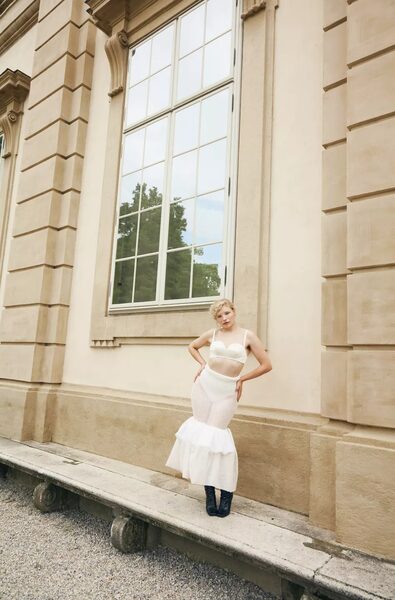
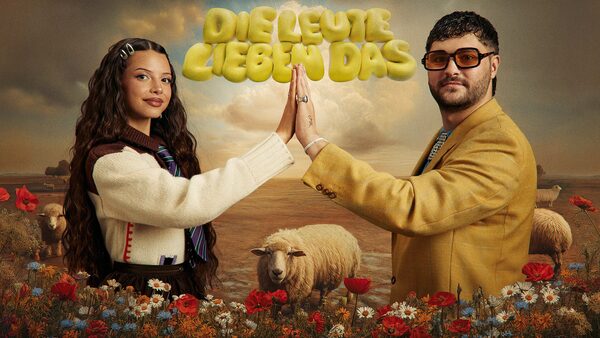
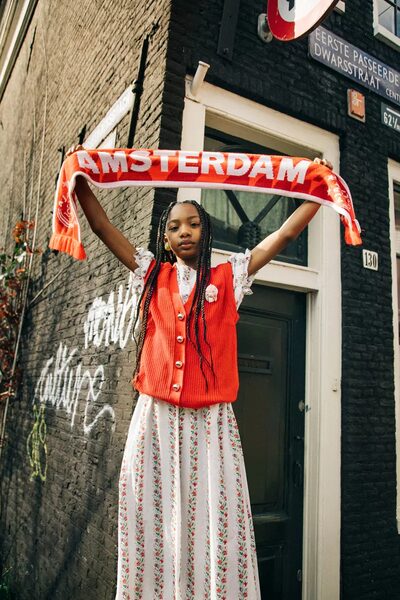
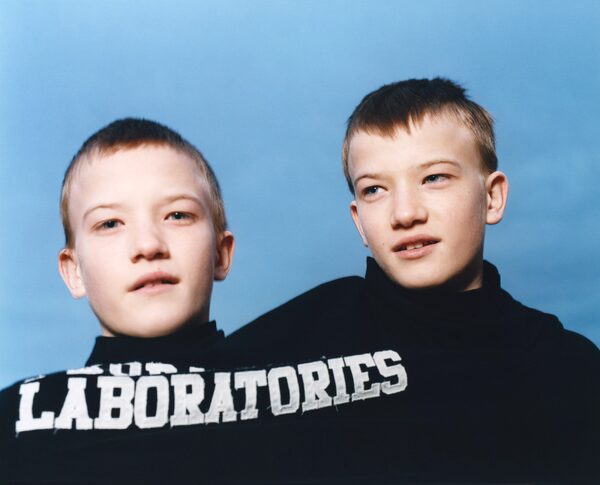
For Peter Rigaud, photography is far more than simply capturing moments—it is an art of making time tangible and telling stories that resonate beyond the image itself. A selection of his work is featured here on GoSee, with much more to discover on his website and, of course, via Shotview.