
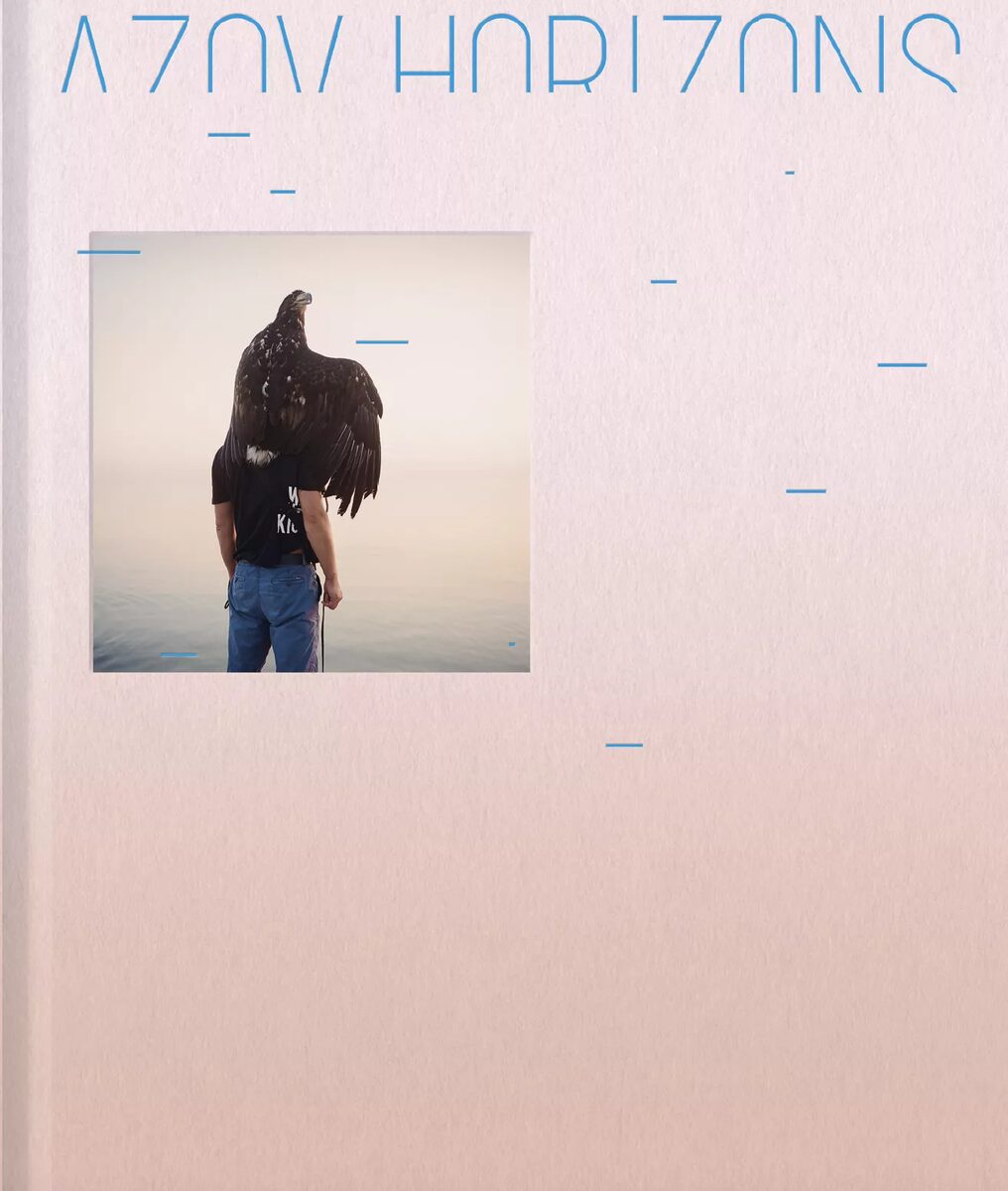
With his book Azov Horizons, Patrick Wack presents a haunting visual chronicle of the Sea of Azov – that fragile borderland between Russia and Ukraine, caught for years in a geopolitical crossfire.
The photographs, taken between 2019 and 2024 on both sides of the inland sea – around Mariupol, Berdiansk, and Crimea – now depict places that have become synonymous with destruction and loss.
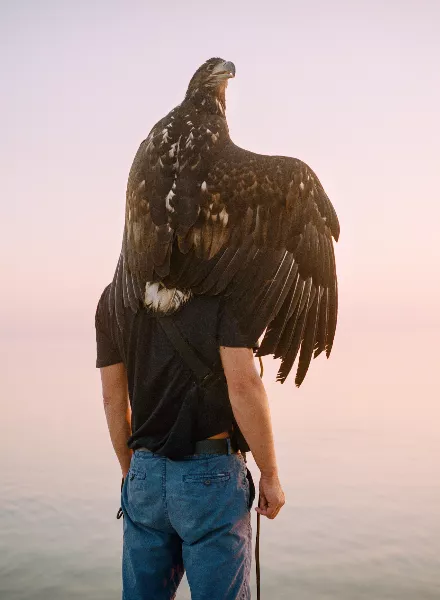
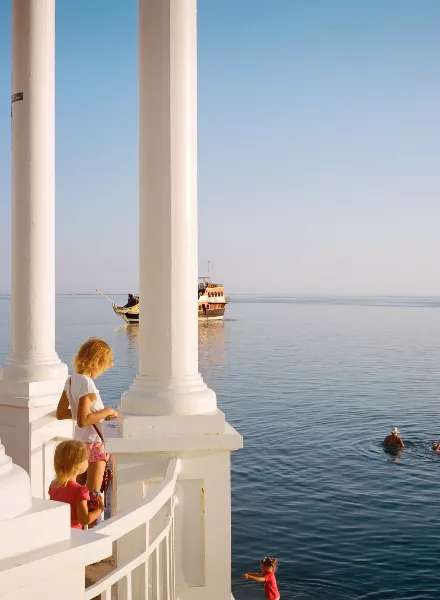
The French photographer, known for his documentary work from China, Bosnia, and the United States, approaches the subject not as a traditional photojournalist, but as a poet. His images feel like suspended memories: pastel skies, mirrored horizons, people on the beach – all bathed in the soft light that became the genesis of this body of work.
“The Sea of Azov appeared to me in a flash of light,” says Patrick Wack. “That unique soft and colourful light guided my first steps on the shores of the Azov, where I have returned every summer since 2019. But this summer narrative, which I had hoped would be filled with light, is also the chronicle of a world on the brink of disappearing, consumed by the war that would soon break out.”
In Azov Horizons, we meet people like Vika and Lera, two teenagers watching the sunset over Mariupol just months before their city was destroyed – or Artem, standing with his son before the vast Azovstal steel plant, a symbol of industrial strength that later became the city’s last stronghold. The visual softness of these images stands in stark contrast to the harshness of the reality they foreshadow. Behind the serenity lies the abyss. Azov Horizons is a meditation on beauty and decay, on what vanishes – and on the fragile hope that photography can preserve memory where reality has been erased.
Patrick Wack: "The visual softness I found on these shores contrasted eerily with the rising evil. This book seeks to convey that fundamental ambiguity: beneath the beach, fury rumbles and explosive shells lie ready to shatter nations. Influenced by the American tradition of road photography, this project favours detours and wandering over a journalistic approach, meaning the region and its singularities, rather than events, take centre stage. The story unfolds through the images and the rhythm of long annual stays, which allow time for history to reveal its complexity. The images in this book direct our gaze to the roots and visible traces of this war. They are the backstage of an unfathomable horror – for both us and them – on European soil. I hope they whisper to our European consciences that what we believed to be acquired is not immutable. Many trips are still to come; I can no longer imagine a summer without Ukraine."
'Asowsche Horizonte' von Patrick Wack
André Frère Éditions
PhotoBooksLab