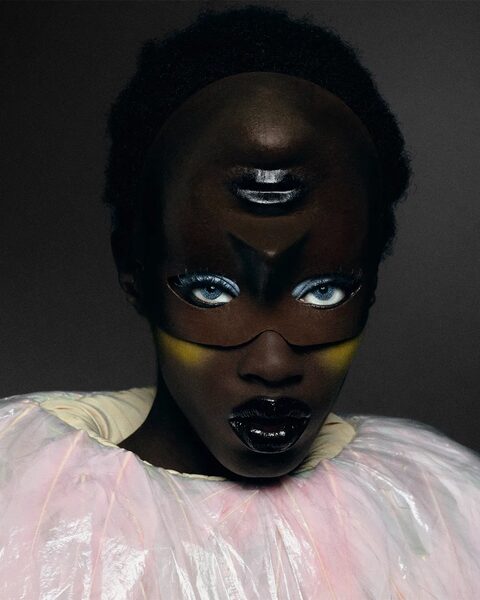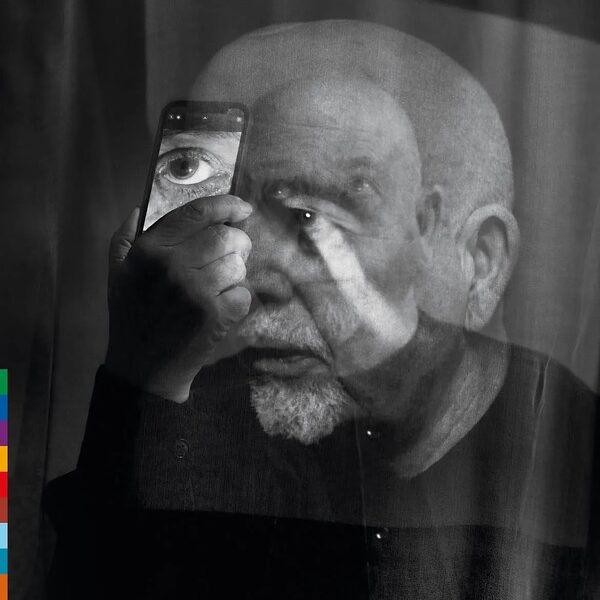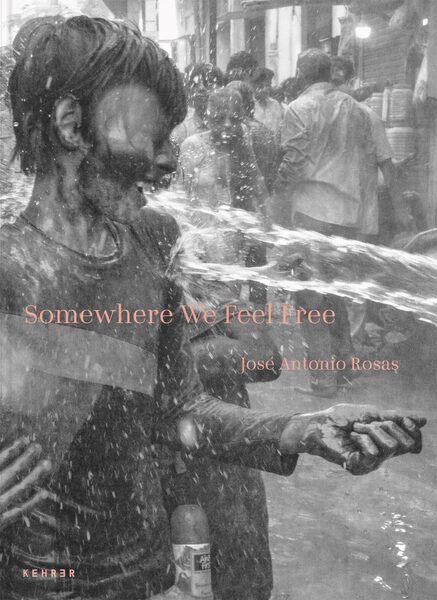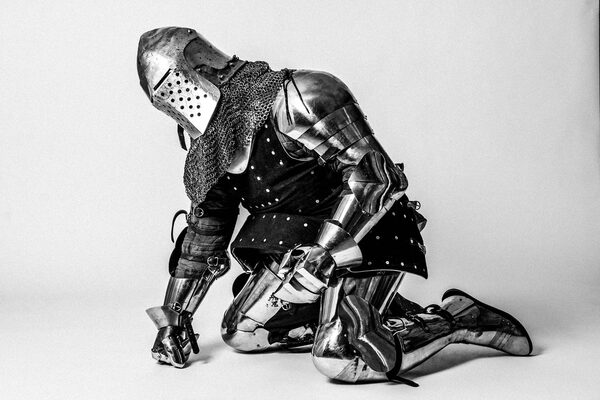
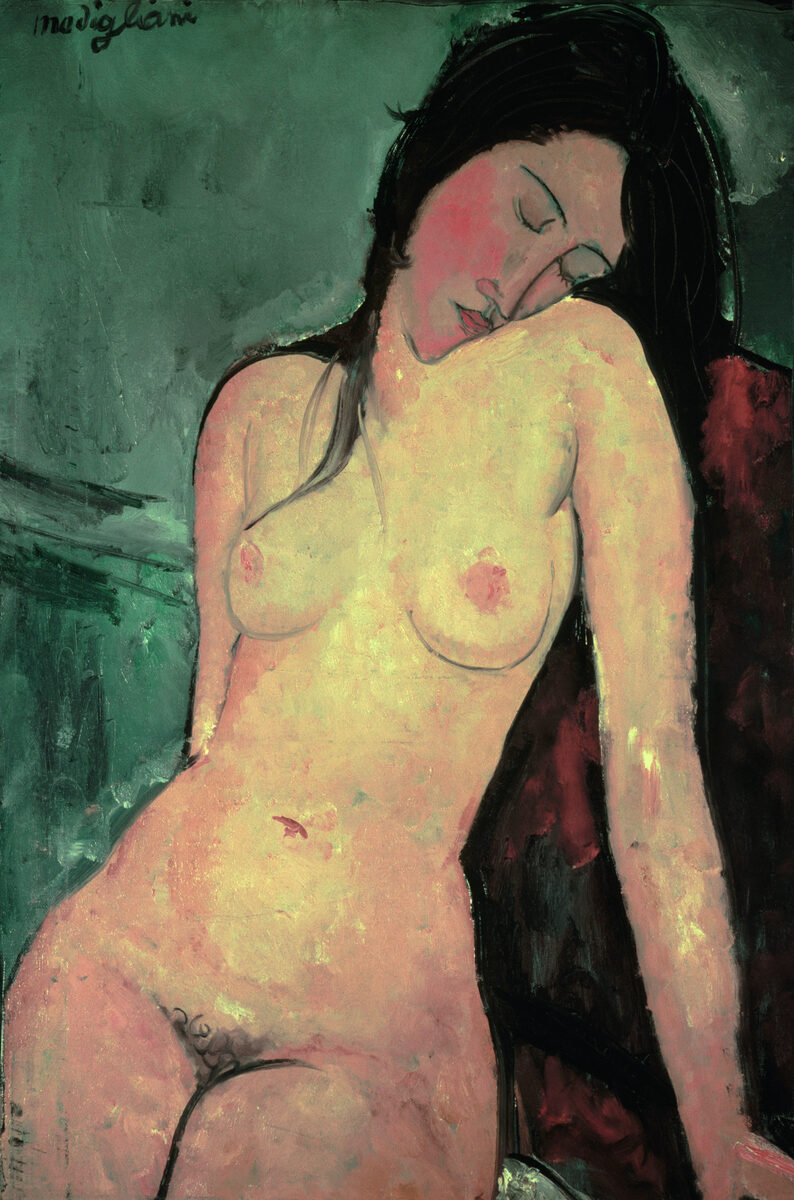
Body of Art is the most extensive survey of the representation of the body in art ever to be published. From one of the earliest known representations of the human form – the Venus of Willendorf (c.24,000 – 22,000 BC) – to videos and performances by contemporary artists such as Marina Abramović, Joan Jonas and Bruce Nauman, the book illustrates the diversity and shared concerns of world cultures through their depictions of the body. Body of Art is published by Phaidon.
Body of Art features work by over 400 artists – from Botticelli, Rubens and Matisse to Antony Gormley, Tracey Emin and Yoko Ono – and spans 35 millennia of figurative, abstract and conceptual art. The works are grouped into ten themed chapters: beauty, the absent body, religion and belief, bodies and space, sex and gender, emotion embodied, power, the body’s limits, the abject body, and identity. Within these themes, works from different art historical periods, regions of the world and every possible media are juxtaposed. These curated pairings allow the reader to think about familiar works in new contexts, and to introduce less well-known art.
Vincent van Gogh’s Self-Portrait with Bandaged Ear (1889) is paired with Stelarc’s Ear on Arm (2006– 7), for which the artist had an ear surgically implanted onto his left forearm, in the chapter exploring the body’s limits. The chapter covering identity features Joseph Beuys’s The Felt Suit (1970), in which the performance artist’s suit becomes both secular relic and surrogate self-portrait, juxtaposed with, in similar gray ‘responsibility suits’, Gilbert and George’s The Singing Sculpture (1970). In the latter, the artists don bronze face paint and sing along to a tape of ‘Underneath the Arches’ for up to eight hours.
Edward Hopper’s Summer in the City (1949), capturing the emotional distance between two lovers, is placed beside Larry Rivers’ Double Portrait of Berdie (1955), in the chapter called Emotion Embodied. The latter is an affectionate double portrait of Rivers’ aging mother-in-law, criticized at the time for its unflattering realism and rebellion against the Abstract Expressionism dominating American art in the mid-1950s.
Manet’s Olympia (1863) depicts a defiant nude prostitute and caused uproar when first exhibited, upturning the presentation of the female nude in Western art. The artist Yasumasa Morimura takes this seminal painting one step further in his Portrait (Futago) (1988), in which the artist plays the part of Olympia and prompts Western viewers to question and re-evaluate their perceptions of Asian cultural identity. The two are together in the chapter on Beauty.
One Tiger, Eight Breasts (2010) by Ai Weiwei overturns the power relationship between clothed artist and nude model. Ai is photographed naked alongside female studio assistants and human rights campaigner, Ye Haiyan. The picture is shown beside Eugene Delacroix, Liberty Leading the People (1830) in which the bare breasted Liberty is depicted as both an allegorical goddess and a robust woman of the people.
Body of Art is conceived by Phaidon editors Deborah Aaronson, Diane Fortenberry and Rebecca Morrill, with an opening essay by Jennifer Blessing and contributions from a range of experts. Works were chosen for their importance to art history and for the compelling stories they tell. The book follows in the tradition of Phaidon bestsellers such as The Story of Art, The Art Book, The Photography Book and 30,000 Years of Art.
Body of Art is published by Phaidon, Hardback £39.95 // 500 color illustrations // 440 pages // 305 x 238 mm // ISBN: 9780714869667