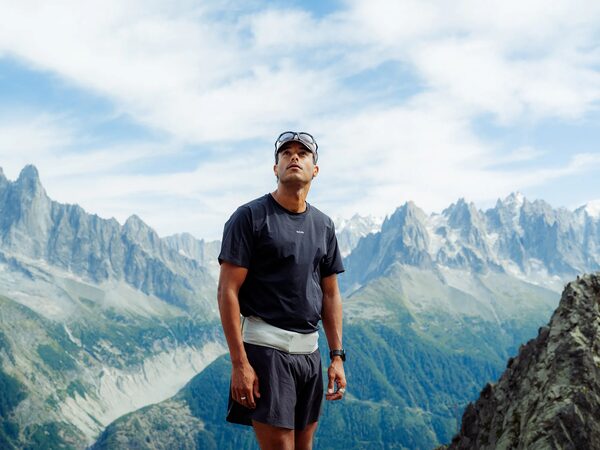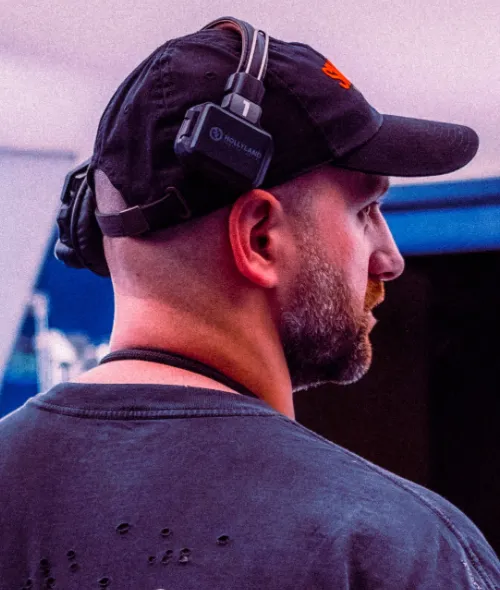

Wir leben in einer Zeit, in der Marken mehr Content produzieren als je zuvor - während Aufmerksamkeit vermutlich noch nie so schwer zu gewinnen war. Daraus ergibt sich für Patrick Skrypczak eine einfache, aber entscheidende Frage: Wie schafft man Arbeiten, die Menschen wirklich interessieren?
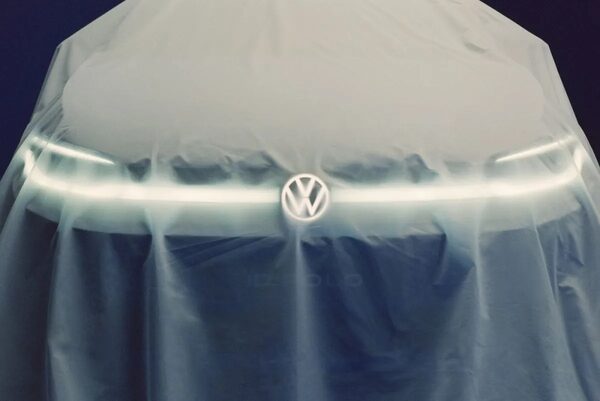
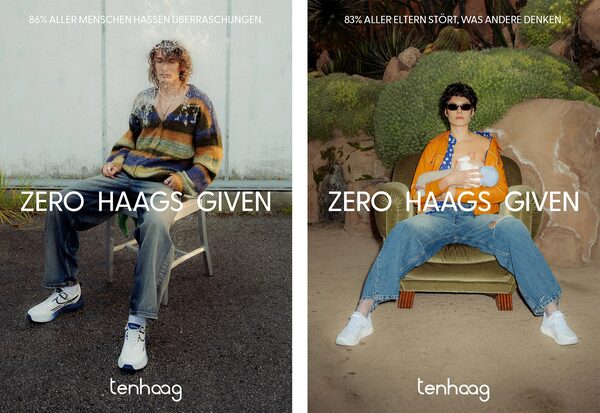
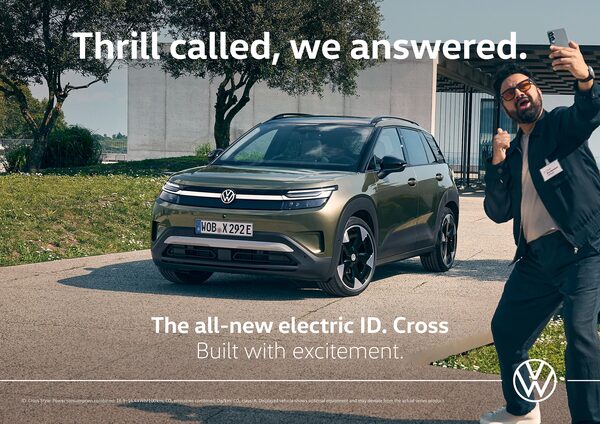
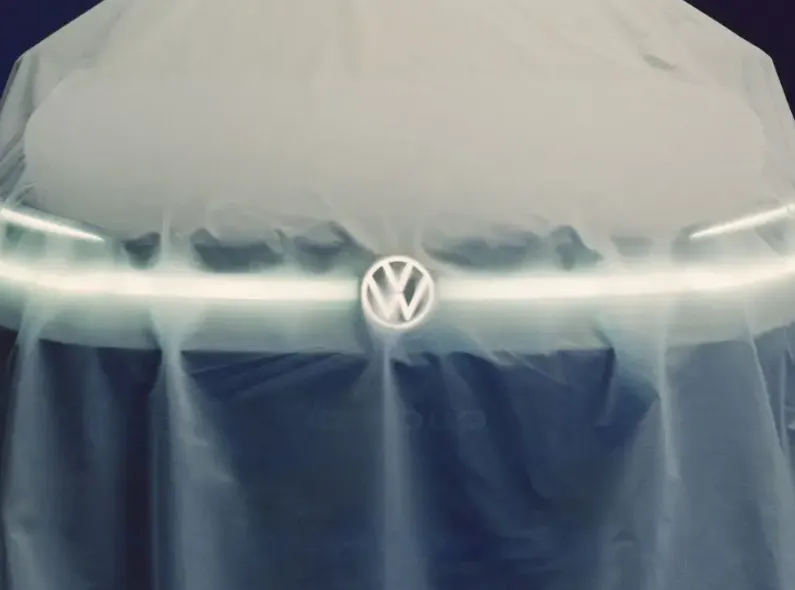
Zwischen groß angelegten Social-First-Produktionen, internationalen Launches und hochkomplexen Content-Ökosystemen bewegt sich Patrick zwischen Strategie, Kreativität und Umsetzung. Zuletzt verantwortete er groß angelegte Social-First-Produktionen für Volkswagen rund um mehrere Weltpremieren und Fahrzeug-Launches - mit einem klaren Anspruch: nicht nur Sichtbarkeit zu erzeugen, sondern Arbeiten zu entwickeln, die für Menschen tatsächlich relevant sind.
Für Patrick hat Relevanz wenig mit Trends, Vanity Metrics oder dem bloßen Versuch zu tun, kulturell relevant zu wirken. In einer Welt voller Hochglanzästhetik und algorithmischer Gleichförmigkeit interessiert ihn vielmehr Arbeit, die sich emotional wahrhaftig und kulturell verbunden anfühlt. Manchmal bedeutet das etwas Rohes, Unperfektes und zutiefst Menschliches. Manchmal bedeutet es hochästhetische, präzise ausgearbeitete Premium-Arbeit. Spannend wird es für ihn dort, wo man versteht, welcher Ansatz wann der richtige ist.
Bevor Patrick in kreative Führungsrollen wechselte, studierte er Fotografie, arbeitete als Fotograf und verbrachte Jahre in Musik- und Subkulturen - als DJ, Musiker und Clubbetreiber. Erfahrungen, die bis heute prägen, wie er über Rhythmus, Emotion, Timing und darüber denkt, warum manche Arbeiten lebendig wirken, während andere lediglich gut aussehen.
Neben Kreativität versteht Patrick auch die Realität von Produktionen, Stakeholder-Management und kommerziellem Druck - durch Rollen an der Schnittstelle von Kreation, Strategie und Kundenführung. Eine Perspektive, die es ihm ermöglicht, zwischen unterschiedlichen Welten zu wechseln, ohne den Fokus auf das Wesentliche zu verlieren: Arbeit zu schaffen, die Menschen emotional erreicht.
Oder, wie er selbst sagt: "In a world where everyone is producing content, relevance becomes one of the hardest things to create. Likes are easy to chase. Real connection is much harder. People are incredibly good at sensing when something tries too hard. Sometimes work needs to feel raw and human. Sometimes it needs to be highly crafted and premium. The interesting part is understanding the context and making the right choice.”
Wir stellen ihn Euch den Kreativen im Interview auf GoSee vor.
You move between strategy, visual culture and huge production realities. What is the core task of a Creative Director today?
I think one of the defining challenges of creative leadership today is creating relevance. We live in a world of constant exposure, fragmented attention and endless content. Great ideas alone are simply not enough anymore. For me, the role of a Creative Director is connecting strategy, cultural context, craft and commercial reality while somehow turning all of that into something people genuinely care about.
At the same time, curiosity matters more than ever. I tend to go pretty deep into things that genuinely fascinate me, whether that is AI, filmmaking, Japanese culture, fashion, music, cycling or simply understanding why certain things resonate and others disappear. Staying curious and genuinely interested in the world outside advertising is essential. I think creative growth and personal growth are deeply connected. Ultimately, the role comes down to understanding people, timing and figuring out what might actually make someone stop, feel something or care.
You work on some of Volkswagen’s most important automotive launches. How is social-first changing the dramaturgy of campaigns?
Massively. Historically, campaigns often revolved around one hero film from which everything else was derived. Today, the process feels much more like systems thinking than traditional asset production. Narrative, platform logic and formats increasingly happen in parallel. At the same time, we understand attention much better than we used to. Different platforms create different expectations and behaviours, which has fundamentally changed how stories need to be told.
On social, rhythm, pacing and momentum matter enormously. Attention is no longer earned once. You have to earn it again and again, hook by hook, moment by moment. Human gestures, movement, imperfections, eye contact, tension, reveals or even slight irritation suddenly become incredibly important. I also increasingly feel that realness often beats picture-perfect content. People are incredibly good at sensing when something feels emotionally true and when it simply tries too hard.
One of the biggest mistakes brands make today is trying to be someone else. Chasing trends too late, copying cultural behaviours or trying too hard to appear relevant instead of genuinely becoming part of culture. People recognise surprisingly fast when a brand is commenting on culture from the outside instead of actually being part of it.
That does not mean highly crafted work no longer matters. Sometimes highly crafted, premium work is exactly the right choice. The challenge is understanding what the work actually needs and making the right decision for the moment.
This way of thinking is also reflected in how Patrick works across large-scale productions and social-first ecosystems. As Moritz Silzer, Head of Owned Social Media & Planning at Volkswagen, puts it: “Working with Patrick means working with someone who understands how to bridge creative ambition with operational reality. Especially in large-scale productions and complex creative environments, he brings together strategy, teams and execution while maintaining a strong focus on relevance, audience perspective and what actually works.”
In the past, there was often one hero film and everything else followed. Today, complete content systems are developed in parallel. How does that change the role of photographers, DOPs and directors?
The process has become much more collaborative, although I would argue that meaningful creative work has always relied on collaboration. What has changed is the need for much earlier integration. Where disciplines used to be more separated, photographers, DOPs, directors and creative teams increasingly need to think together from the beginning.
At the same time, perspective matters more than ever. In an oversaturated content environment, having a genuine point of view becomes incredibly valuable. Technical skill alone is rarely enough. What matters is understanding context and translating ideas across platforms, audiences and behaviours.
Large-scale social-first productions often look effortless from the outside. In reality, they happen under enormous pressure, with parallel units, changing conditions and huge asset volumes. What actually keeps productions like that together?
The honest answer is: trust, instinct, leadership and the right people around you. Large-scale productions are messy. Weather changes, schedules collapse, priorities shift, stakeholders suddenly want different things and what looked perfectly planned on paper quickly becomes chaos in real life. That is where leadership matters. A big part of the job is knowing when to step in and make decisions and when to step back and let people do their thing. Sometimes you have to protect the core idea. Sometimes you need to reprioritise quickly. And sometimes the most important thing is simply understanding people and knowing how to keep energy up under pressure.
At the same time, none of it works without trust. Different perspectives make the work better, especially in environments full of uncertainty and constant change. Large productions need people who genuinely want to solve problems together.
Many brands talk about “authenticity.” But how do you actually recognise whether something is culturally relevant or only trying to look that way?
People recognise performative relevance incredibly fast. We are currently surrounded by polished perfection and brands trying very hard to feel culturally relevant. But often the result is emotional distance rather than connection. For me, it is less about authenticity as a buzzword and more about what I would call realness. Something has to feel emotionally credible. At the same time, I do not believe in rigid creative binaries. Some work benefits from feeling raw, immediate and human. Other contexts demand precision, refinement and premium execution. The determining factor is context.
Forced youth language, performative authenticity, fake cultural closeness or brands chasing trends months too late usually get recognised incredibly quickly.
Which tasks would you never do without AI anymore, and where does human intuition still make the decisive difference?
AI has become incredibly valuable for research, exploration, structuring ideas and bringing things to life much faster. What fascinates me most is how quickly you can turn something that exists in your head into something visible. That speed is honestly remarkable. Things that would normally take weeks or months to test suddenly become possible much earlier in the process. The ability to create worlds, emotions and visual ideas through prompts, references and direct iteration is genuinely incredible. I love that process because it allows you to influence things very precisely.
I still deeply value the real world and traditional ways of working. I love being on set, building things physically, working with teams and solving problems together. For me, it is never either/or. It is about understanding which tool makes sense at the right moment. I also do not believe creativity itself is being replaced. Taste, timing, intuition and understanding human behaviour remain deeply human.
What matters to me less is whether something is made with AI, analogue processes or digital tools, and more the resulting impact. Did the work resonate? Did it create relevance for the brand? Did it tell the story it needed to tell?
Importantly, relevance should not be confused with metrics alone. Reach, followers and engagement only tell part of the story. Relevance can also come through cultural proximity, conceptual strength or emotional connection.
There are also moments where you arrive slightly too early and miss the zeitgeist by a narrow margin. Personally, I often find that more interesting than simply swimming with the crowd. But context matters here as well. Not every brand needs provocation and not every campaign needs maximum visibility.
When you look at photographers, directors or artists today, what immediately creates trust that someone can deliver on an international level?
Clarity rather than perfection. I am interested in whether someone has a genuine perspective, understands context and consistently makes strong decisions. Large productions rarely unfold under ideal circumstances. Trust is often built through observing how people respond to complexity, collaborate under pressure and navigate uncertainty.
And honestly, kindness matters a lot more than people think.
What does a moodboard or treatment need to do today for you to immediately feel there is real visual conviction behind this?
It requires perspective rather than simply aesthetic accumulation. A compelling treatment should communicate not only how something intends to look, but why it should feel a certain way and what emotional response it is trying to create. The strongest visual thinking goes far beyond beautiful references and communicates intention.
My own way of thinking is deeply visual. I genuinely enjoy building visual worlds and layered stories, often extending far beyond social media itself. Usually there is a very specific moment where everything suddenly clicks. I can already see the film, the rhythm and the emotional tension. That is usually when I recognise a distinct perspective rather than just a collection of visually pleasing references.
Which creative work has surprised you recently, maybe precisely because it was quieter or more reduced than current mainstream work?
Reduced is a category I think about too. But right now, what catches me is work that feels emotionally honest, regardless of whether it is quiet or loud.
The music video Storm by Romain Gavras and Surkin for Yung Lean did something to me. It is intense, chaotic and visually uncompromising, the opposite of quiet. But it earns every frame. It captures the loneliness, the chaos and the intensity of youth without trying to aestheticise it. That kind of emotional credibility is rare. And it is exactly what I respond to, regardless of register.
What do young creatives need to learn today that TikTok, Instagram or Midjourney cannot teach them?
Observation. Listening. Understanding human behaviour. Reading social dynamics. Developing taste. And importantly, becoming involved in craft directly through practical experience. Tools evolve continuously. Curiosity, cultural sensitivity and an enduring interest in people remain significantly more difficult to automate. And ultimately: it takes time. You cannot shortcut experience.
Einige von Patrick umgesetzte Videos gibt es via Volkswagen / IG:
https://www.instagram.com/volkswagen/reel/DYtsRXds-CG/
https://www.instagram.com/volkswagen/reel/DYRsLF3xzZE/
https://www.instagram.com/volkswagen/reel/DYAJe_uxYmk/
https://www.instagram.com/volkswagen/reel/DX7X86atHFY/
https://www.instagram.com/volkswagen/reel/DX4Xor2MSrT/
https://www.instagram.com/volkswagen/reel/DXthxs6jcyL/
https://www.instagram.com/volkswagen/reel/DXuEbBWx4kH/
https://www.instagram.com/volkswagen/reel/DXEjMNpRmfp/
https://www.instagram.com/reel/DXuEbBWx4kH/
"A huge thank you as well to the best production partner we could have asked for: Neverhappened Productions from Leipzig," so Patrick.