Das Mauritshuis in Den Haag beherbergt die besten niederländischen Gemälde aus der Zeit von Rembrandt und Vermeer. In dem Stadtpalast, der vor 400 Jahren als Residenz für den Fürsten von Nassau-Siegen, Johan Maurits, errichtet wurde, hängen berühmte Gemälde wie Vermeers Mädchen mit dem Perlenohrring, Die Anatomiestunde von Rembrandt und Der Distelfink von Fabritius.
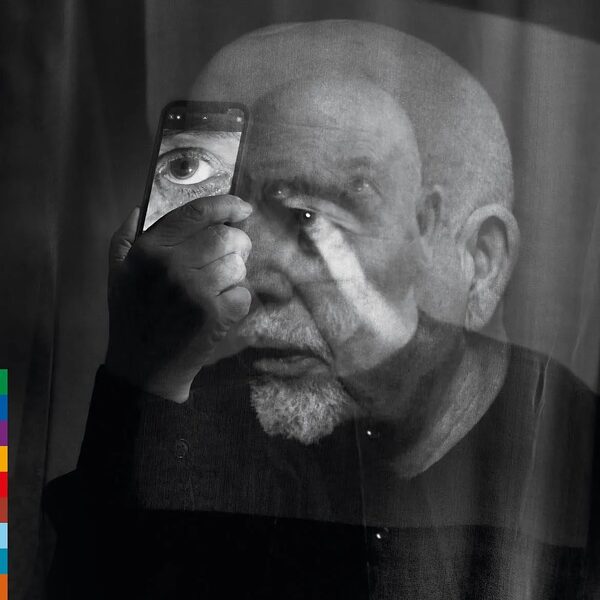
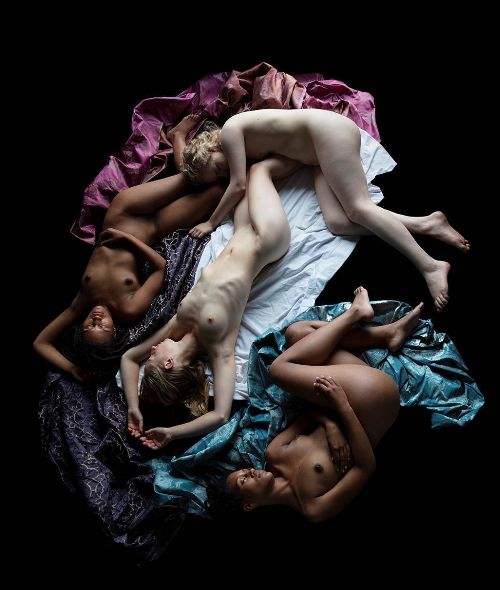
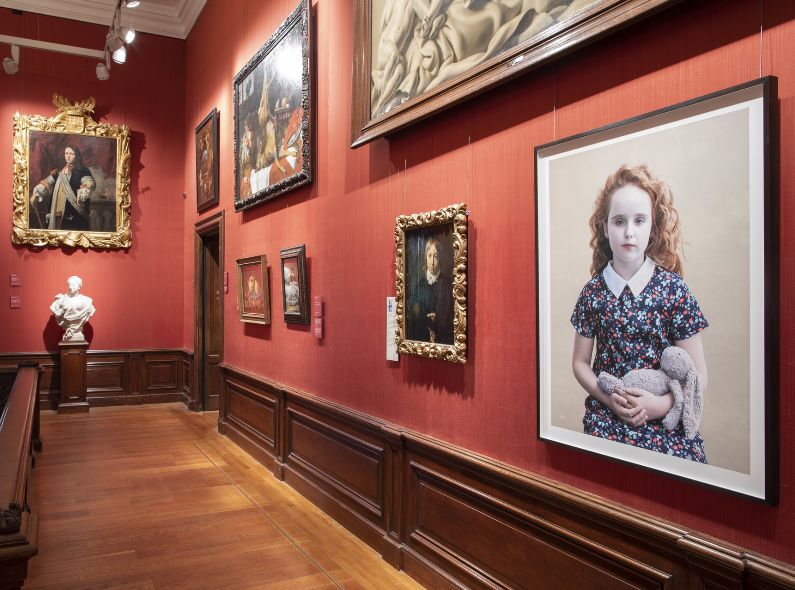
Aber was passiert, wenn neue Meister und Meisterinnen fortsetzen, was alte Meister hinterlassen haben? Das kann man in der aktuellen Ausstellung FLASH | BACK zum 200. Geburtstag mit eigenen Augen sehen. 16 zeitgenössische Fotografen und Fotografinnen haben sich von den Gemälden aus dem 17. Jahrhundert inspirieren lassen, um neue Werke zu schaffen (Sara Blokland, Morad Bouchakour, Anton Corbijn, Elspeth Diederix, Desirée Dolron, Rineke Dijkstra, Kadir van Lohuizen, Sanja Marušić, Vincent Mentzel, Erwin Olaf, Kevin Osepa, Ahmet Polat, Carla van de Puttelaar, Viviane Sassen, Dustin Thierry and Stephan Vanfleteren.).
Ebenso wie die Meister der alten Werke stammen die Fotografen und Fotografinnen aus den Niederlanden oder aus Flandern. Die jungen Künstler und Künstlerinnen studierten jedes Gemälde bis ins kleinste Detail, bevor sie ihre Entscheidung trafen. Ikonische Bilder und Publikumslieblinge, aber auch weniger bekannte Juwelen ... Alles zu sehen in FLASH | BACK.
Das Ergebnis sind 16 neue Meisterwerke, eins für jeden Raum des Mauritshuis. Aktuell sind sie neben ihren Inspirationsquellen aus dem 17. Jahrhundert zu bewundern: hängend, stehend oder liegend. 'Wenn Sie diese modernen Meisterwerke einmal gesehen haben, werden Sie Rembrandt, Vermeer und Jan Steen ganz anders als bisher betrachten', so das Museum.
Martine Gosselink, Director of the Mauritshuis “This is how I’m boldly describing the photographs that will be on display in FLASH | BACK. There are some 350 to 500 years between the making of the paintings and the creation of these photographs. The exhibition – accompanied by a catalogue and multimedia tour – offers visitors a journey from then to now, from eternity to impermanence, from varnish and paint to high-res photographic material. The photographers allow us to look afresh, through their lens.”
Alle Fotografen bekam völlige künstlerische Freiheit: "The photographers were given complete artistic freedom to translate their inspiration into a photograph. Their work may be moving, raise questions, astound, but also generate discussion. The commission was not to produce a literal remake of an existing painting, but to tap into a deeper layer. Sometimes the work is a supplement to a painting. The photograph by Corbijn is a good example of this. In his work – Two African Men (after Rembrandt) – it seems as if he has transported the two men set down by Rembrandt to the present day. Vincent Mentzel’s photograph shows how the View of Delft, so brilliantly recorded by Vermeer, looks today. And Elspeth Diederix has produced a timeless version of a still life. But the link between Study of Two Brazilian Tortoises by Albert Eckhout and Kevin Osepa’s photograph of a newborn baby is less obvious. And there is also a thought-provoking story behind Morad Bouchakour’s tapestry and its link to The Fiddler by Adriaen van Ostade."
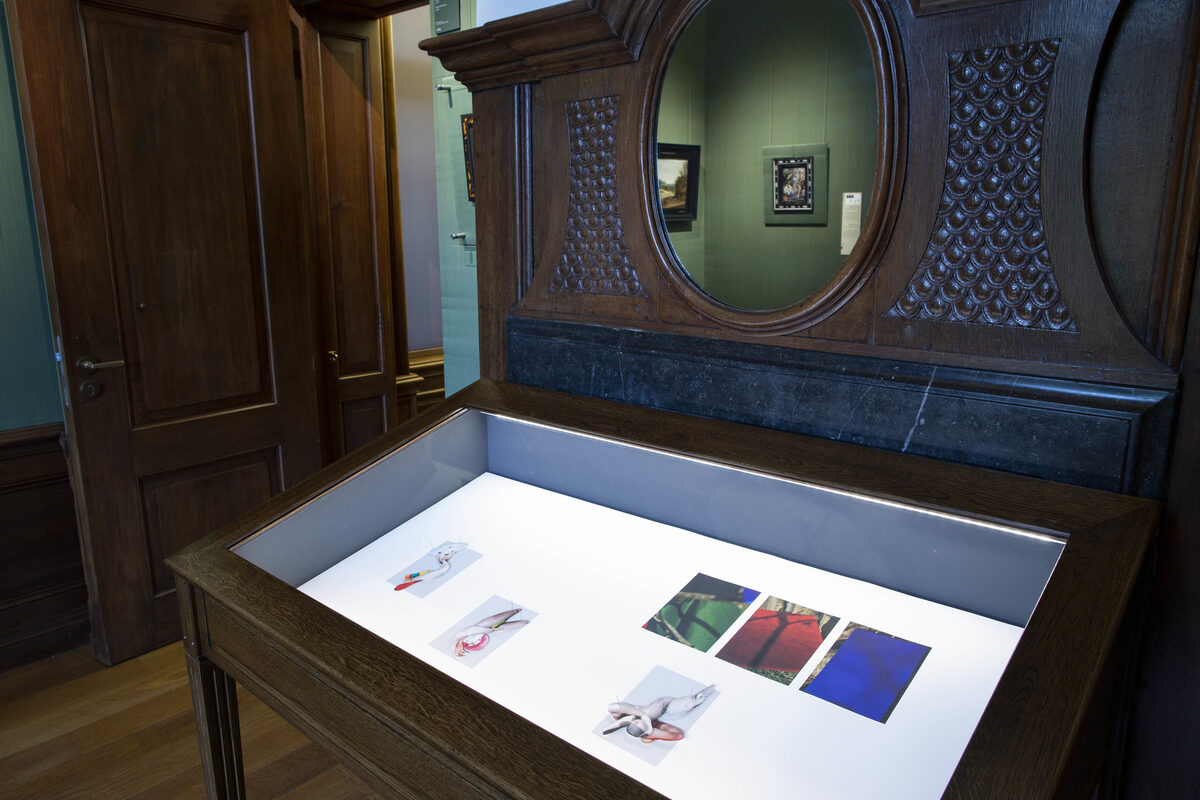
Viviane Sassen :" My work was inspired by the painting 'Mars and Venus surprised by Vulcan' by Dutch painter Joachim Wtewael (1566-1638) The painting depicts the adultery of Venus and Mars. Venus' husband Vulcan caught the couple in the act and is exposing the deceit to the gods who have gathered around. The painting was perceived as too obscene for quite some time and only revealed to the public in the 1980s." Und das Museum hierzu: "Sassen has always been fascinated with mythological stories. She wanted to carefully dissect this painting in order to discover the balance between Mars, Venus and Vulcanus. Viviane started cutting out photos from her own archives. The result? A collage of provocative bodies. With her work, she created a new, strong female image. A narrative that fits 2022, contrary to the submissive Venus."