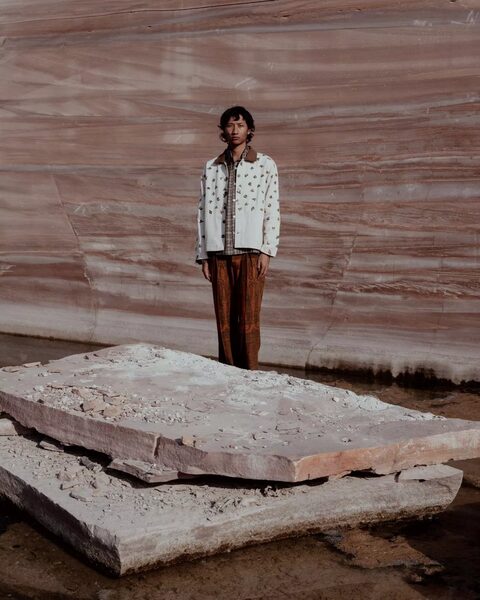
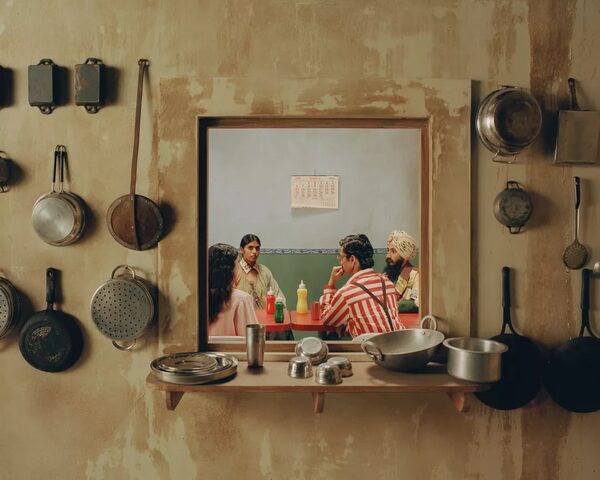
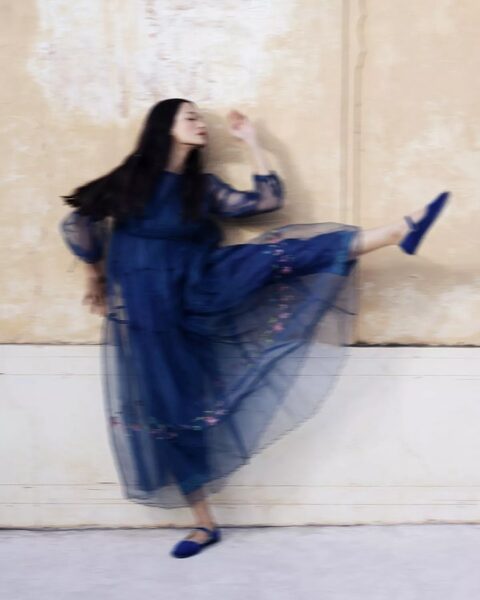
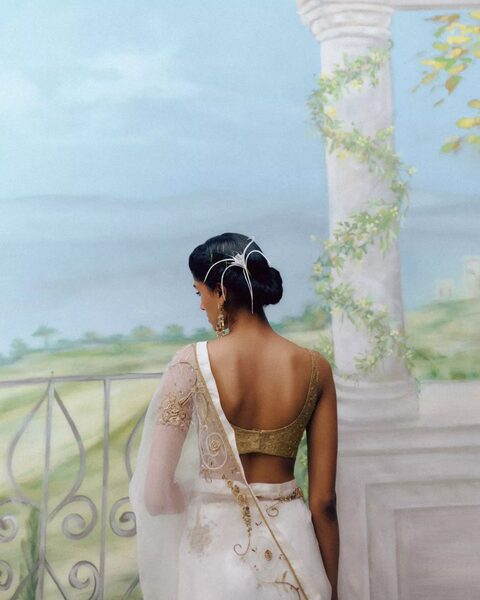
ELEMENTS supported an artistic project with the creative power duo of Creative Director and Photographer Pranoy Sarkar and Stylist Jahnvi Bansal. The starting point of the collaboration was Chhau, a mythic dance tradition from eastern India.
As part of the project, the team worked with artists from different regions to explore the cultural depth, social rootedness and historical significance of this art form. The result is a series of dynamic visuals positioned between art, tradition, myth and dance, presenting Chhau not merely as a performance, but as a lived cultural practice.
ELEMENTS accompanied the project throughout production and on-location execution, highlighting its expertise in realizing artistic, culturally grounded productions in demanding environments.
"This project began with an exploration of Chhau - a mythic dance tradition from eastern India with three distinct regional forms: Saraikela (Jharkhand), Purulia (West Bengal), and Mayurbhanj (Odisha). For our collaboration with Shanti, we worked with 12 artists from these regions to delve into their shared heritage and individual contexts. Our approach was grounded in documenting the artists in their own environments, in the villages and communities they belong to. This rooted setting offered a deeper understanding of their lives, their practices, and their relationship with the art form beyond performance.
The visual narrative is shaped around three essential aspects of the Chhau tradition, which are also deeply embedded in the everyday lives of its practitioners:
1. Nature
Chhau artists live closely with the land. Their land shapes the rhythm of their lives, their movements, and their rituals. We sought to reflect this sense of being in harmony with the natural world, a connection that is both spiritual and physical.
2. Social Identity and Community
The Chhau tradition is not practiced in isolation. It is sustained through generations by tightly knit communities that share not just technique but stories, values, and memory. Through our portraits and encounters, we tried to capture this collective identity, how the individual exists within a larger, shared sense of purpose and belonging. At the same time, we sought to understand how this identity holds its ground or evolves in today’s Indian cultural landscape.
3. Defence and Preservation
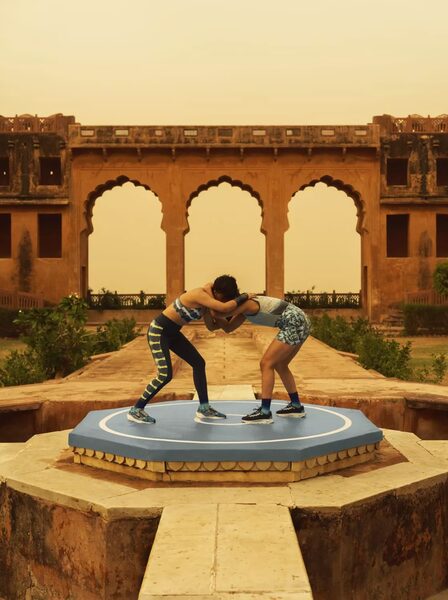
Historically, Chhau has its roots in martial arts. The stylised movements, the training, the discipline, all point to a form that once embodied physical defence. Today, while that martial function may no longer be central, Chhau continues to serve as a form of cultural defence, preserving heritage, holding on to identity, and resisting erasure in a rapidly changing world.
Each of these three pillars also correspond, in spirit and structure, to the three regional forms of Chhau. This project is a homage to those who continue to carry the form forward."