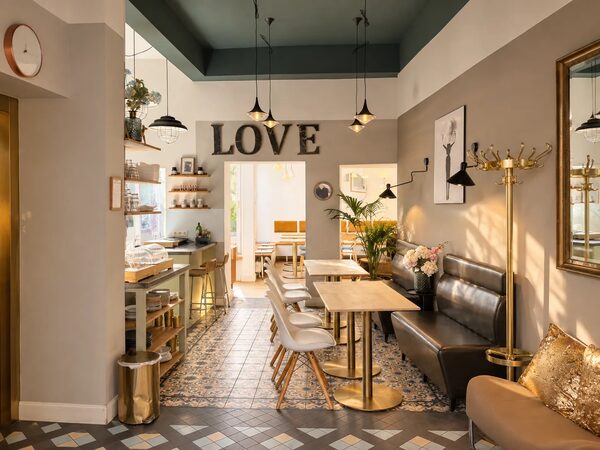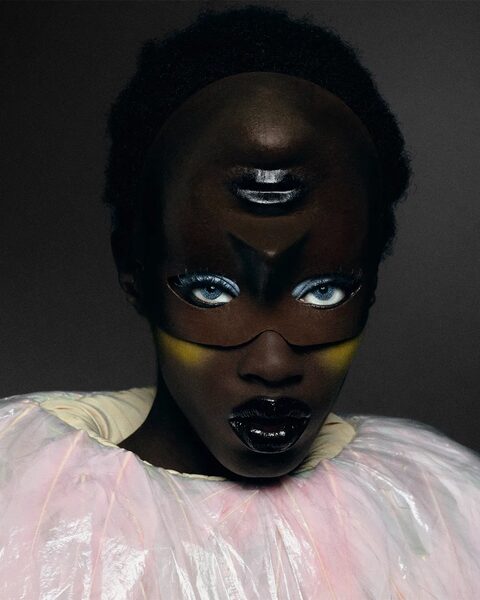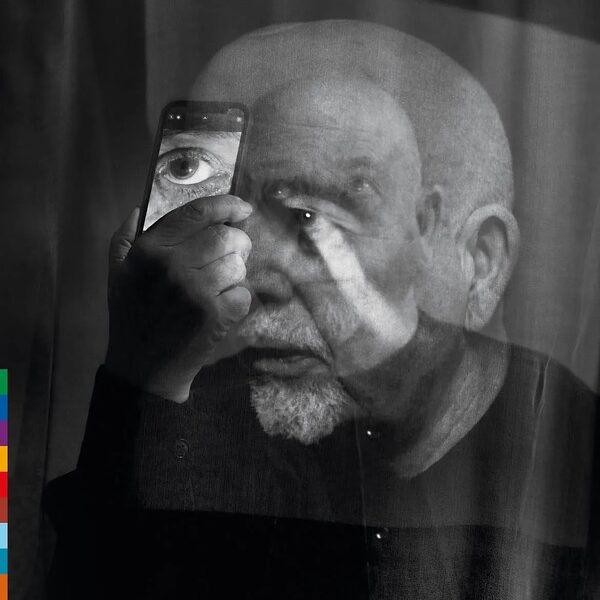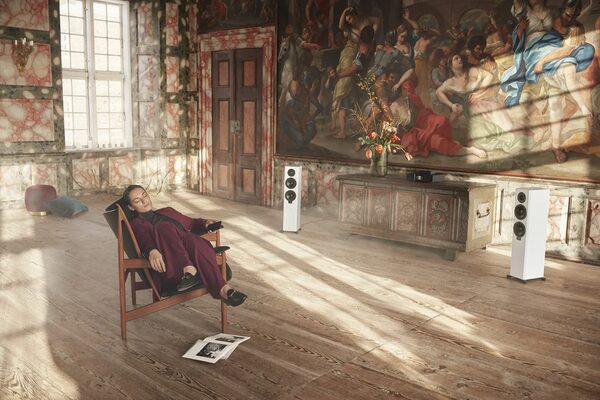
FROM is a curated platform to discover and share authentic stories — told through images that matter. Whether memories or inspiration, FROM brings together people, places, and events that observe our world with intention and integrity. The limited editions come from real archives — no AI, no fakes, just authentic perspectives by real authors.
Behind the idea is Marie‑Kristin Thiele — former art director, copywriter, art teacher, and passionate collector of stories. With FROM, she has created a platform that rethinks origin: as a point of departure for truth, context, connection, and continuity.
“For FROM we select photographs from existing archives and create limited editions. We look for genuine stories with backbone and mindfulness for our world. Unlike AI, we focus on authenticity. We work exclusively with photographs and stories created by people. All authors on FROM have a principled stance and relationship to our world,” says Marie‑Kristin, whom we will introduce in an interview on GoSee.
What was your idea behind FROM — and when did you know you really wanted to bring it to life? Marie-Kristin: As a child I wondered why people hung certain pictures in their homes. I’m still fascinated by what people choose to surround themselves with! During my studies I considered selling decorative screenprints or still‑life photos. But the idea for FROM came when AI became widespread, and you could no longer trust what was real. I wanted to counter that with something tactile. Something true.
Your logo resembles old license‑plate codes — a strong image of origin and identity. How did the idea of referencing those stickers as the logo come about? Marie-Kristin: Yes — as you say, it’s about origin, derivation, storytelling. For FROM, I just reversed the purpose of those stickers. The logo asks the question of origin. It emphasizes that every person, every context, every object comes from somewhere — and thus has a story to tell. I like that all the motives on FROM come from very different contexts and then come together on FROM. A little home of choice.
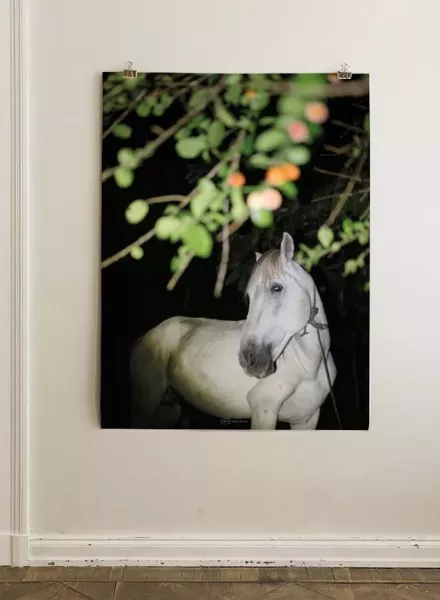
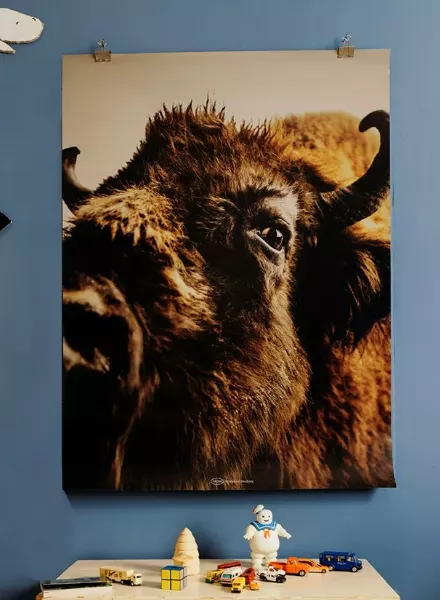
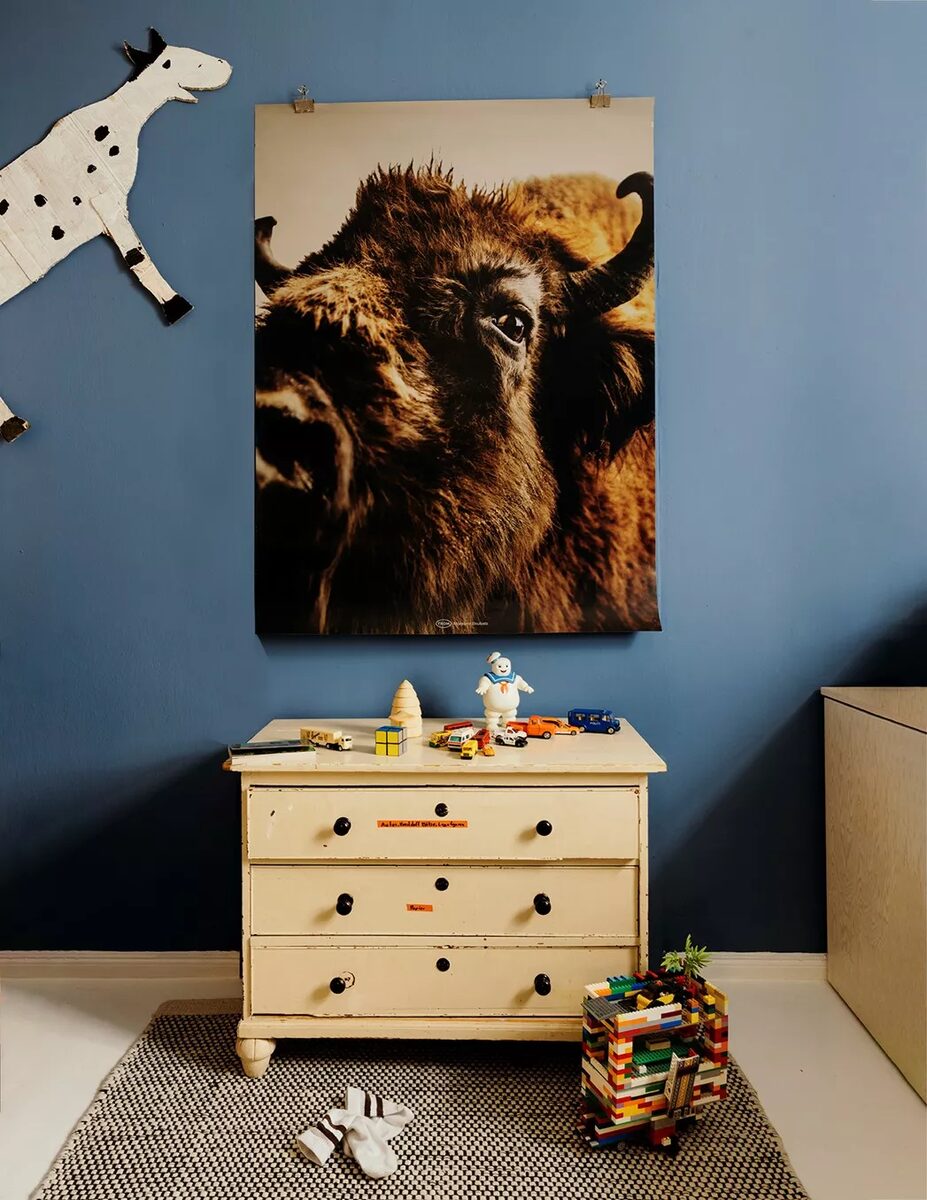
Who are your customers — and what are they looking for on FROM? Marie-Kristin: Indeed, people shop thematically on FROM. Many have been to the place shown, or want a horse or a buffalo in a child’s room, or have long followed the events in the West Bank or Sudan. So I’d say FROM customers are well-informed, care that their home is beautiful and meaningful, and want to do something good.
The edition “Point of Views” features work by the young documentary photographer Ammar Yassir, who received his first camera only three years ago. Less than two years later, he had to flee Sudan with his family. Since then he’s been documenting his life in flight. How did you meet Ammar — and what moved you about his story and images? Marie-Kristin: Last Advent the ZEIT magazine published a piece on Ammar’s award-winning series in a refugee camp in South Sudan. The images blew me away. I messaged him everywhere — cold-calling him. It took a bit, but he bit. We only meet online, me in Hamburg-Altona, him in Kampala, Uganda. Ammar is a truly outstanding person — at just 19. He has a long way ahead of him: as a migrant, as a photographer, just as a person. I am a total fan!
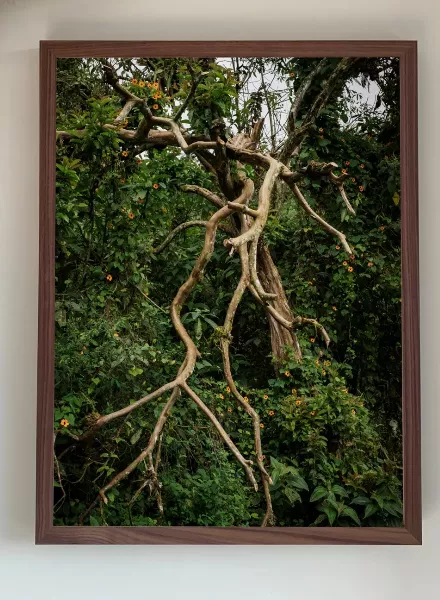
Maria Sturm traveled to Ecuador’s Intag Valley to document the ongoing resistance of local mountain farmers against multinational mining corporations and for the preservation of their fertile lands. What convinced you to feature her work on FROM — and what story does this edition tell you personally? Marie-Kristin: The Intag Valley story reflects the ambivalence we live with. We want to still save our habitat — but increasingly live digitally, technically, flexibly. Unfortunately both can’t coexist. We can’t pursue more high-tech without plowing the planet and destroying millions of species forever. Maria Sturm’s work from Ecuador is several years old — yet still omnipresent when thinking about supply-chain law or the recent lawsuit between Peruvian farmer Saul Luciano Lliuya and RWE. These are issues so large, because they concern human existence, that they must be part of FROM’s portfolio.
Can photographers apply to you — or how do you compile your editions? Marie-Kristin: I curate the edition together with the authors. We spend hours going through archives, I listen to all anecdotes and stories until one story sticks out, and we know it’s the one. The editions are almost always narrative: they should tell the story. For me the story comes first, then the images. I would always choose a picture that tells a lot over a pretty decorative print. Even though FROM is programmed with great positions and stories through mid‑2026, I’m always excited when I’m shown a great story with beautiful images. Very excited.
Many of the works shown are politically charged — do you consciously seek out discourse, or does that arise naturally from the themes? Marie-Kristin: I believe everything is political. And yes — I’m very socially aware and well-informed globally. All topics on FROM are acute and relevant, even if the motives are 12 years or older. The stories you see on FROM are, in a sense, the stories of our time.
The editions are available at from-this.world