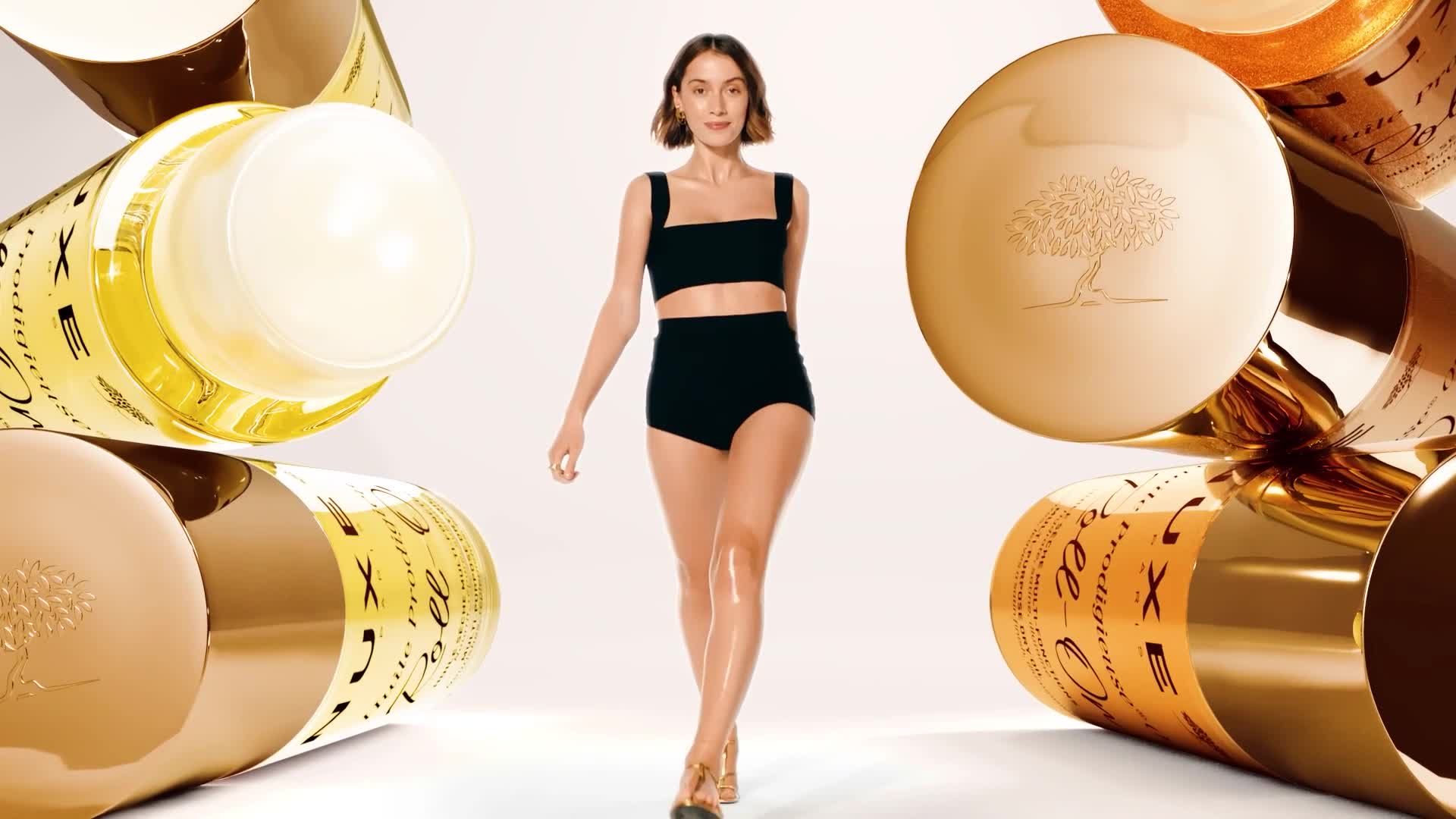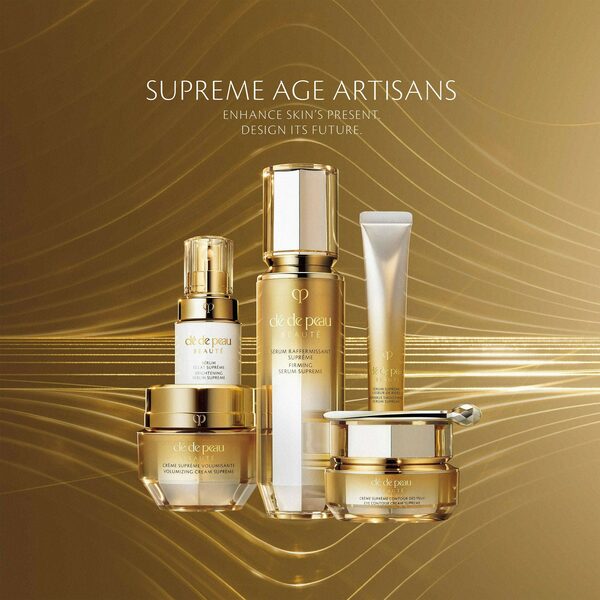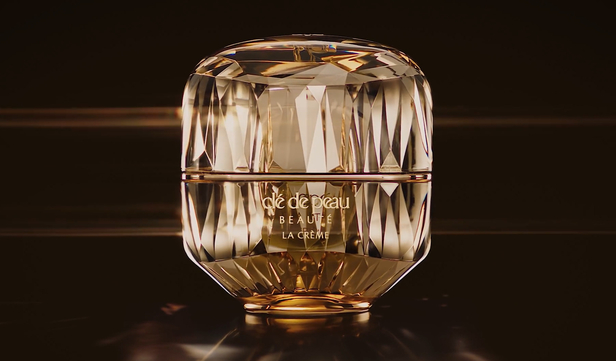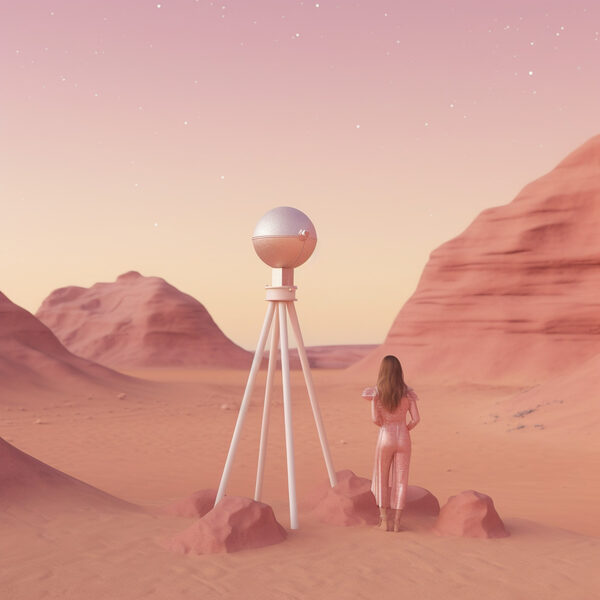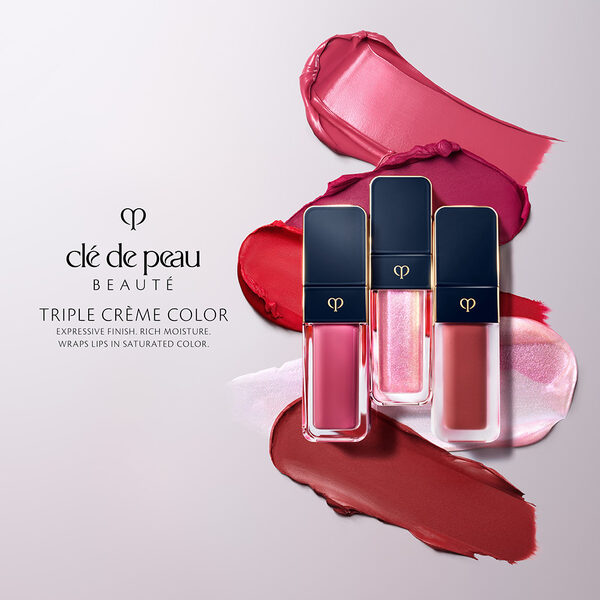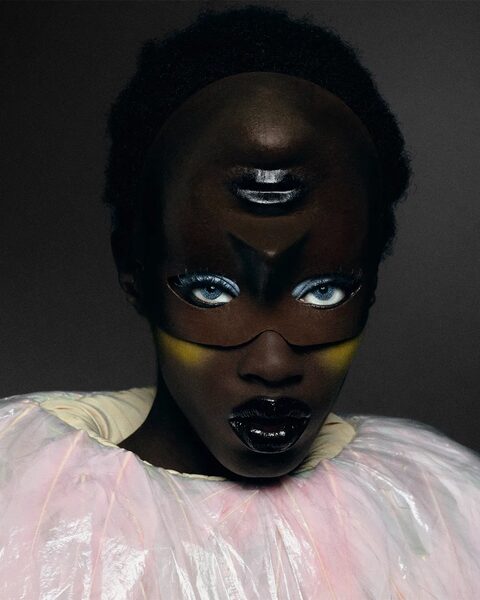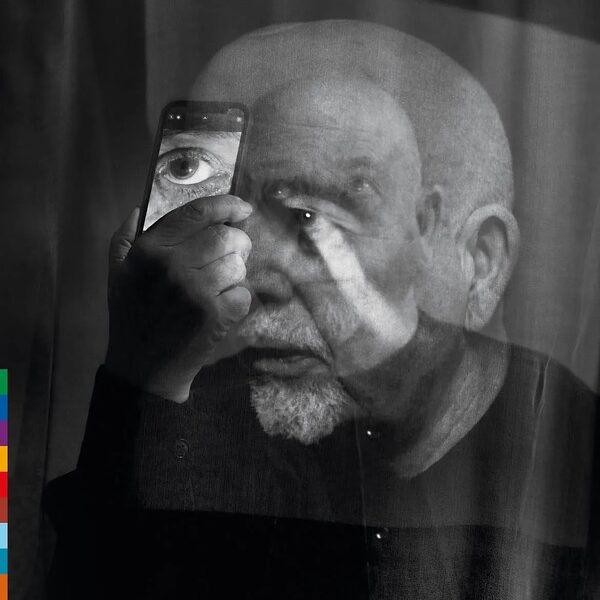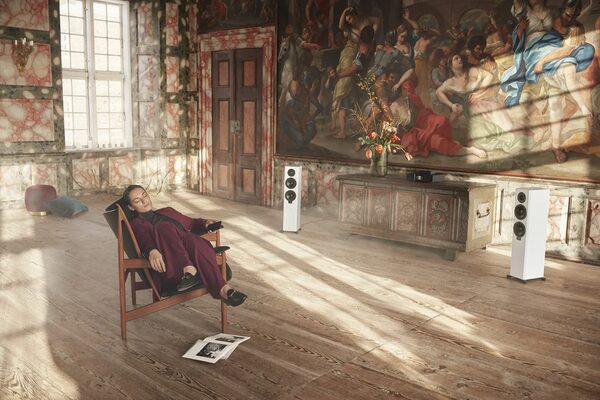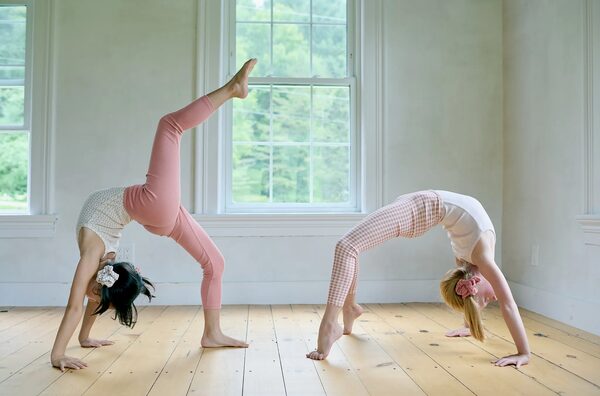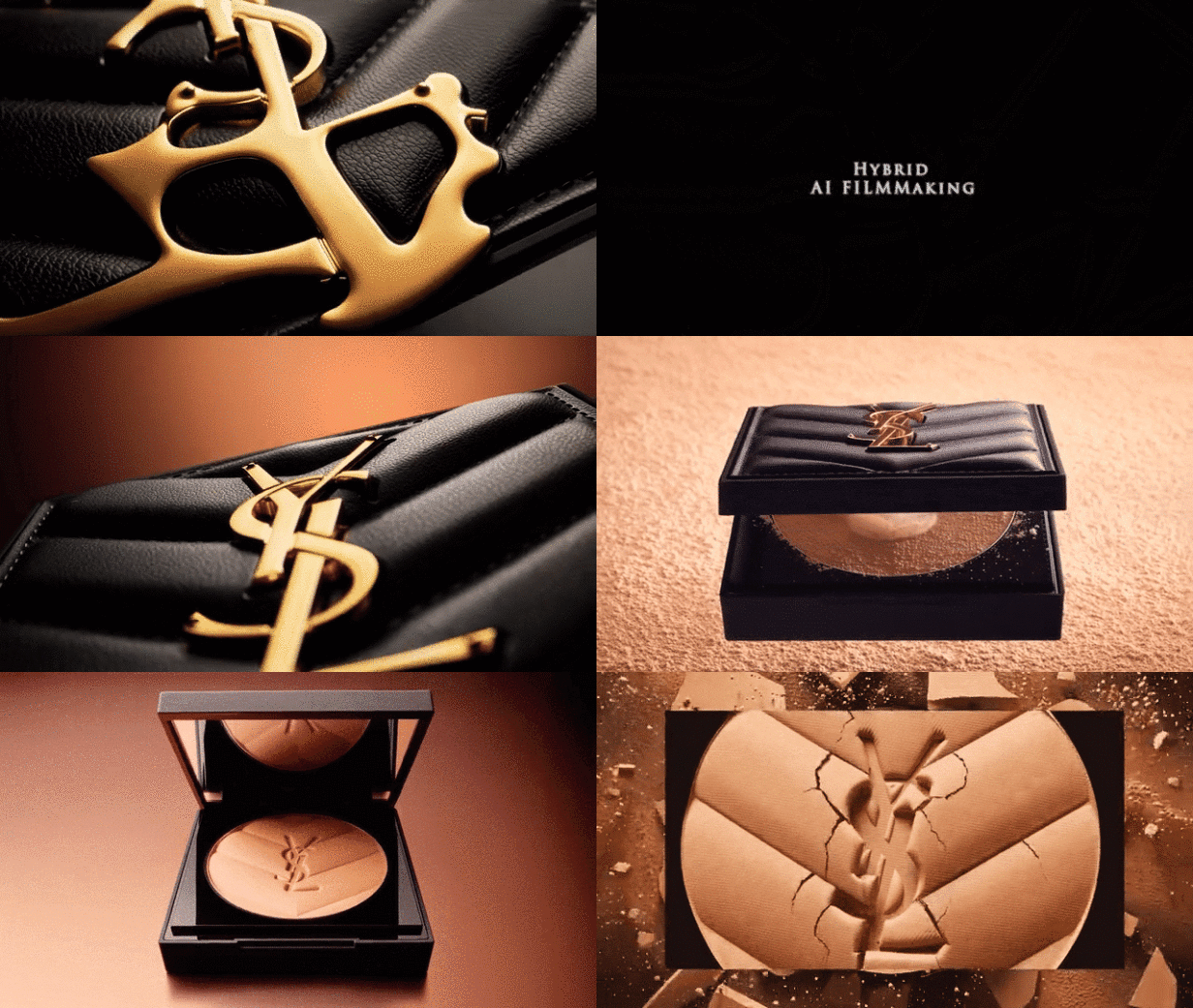
Products that open to the rhythm of music, float through space, and seemingly defy physics - all in a single take. What once required massive technical setups - robots, SFX teams, high-speed equipment - is now realized by MIERSWA-KLUSKA through a hybrid AI workflow that intelligently combines classical photography with artificial intelligence.
The starting point is handcrafted photography, produced by a small, focused team. These images are then animated and expanded using AI. The result: new movements, surprising effects, and an emotional visual language that would previously have been almost impossible to achieve.
“AI does not replace our creative direction - it extends it. The idea, the light, and precise product staging remain essential. Everything else is a tool,” says the creative team.
With MAGIC MOVES, MIERSWA-KLUSKA demonstrate what hybrid AI productions can look like today: reduced in setup, strong in concept - and maximum in impact. In an interview with GoSee, Andreas Mierswa speaks about new creative freedoms, the conscious use of AI, and why idea and light remain the decisive factors even in the age of artificial intelligence.
You come from a highly craft-driven discipline. Was there a specific moment when you decided not just to observe AI, but to actively integrate it into your workflow? MK: New technologies have always interested us because they create impulses and enable new kinds of imagery. That’s why we started observing AI relatively early on - admittedly with a fair amount of skepticism at first. But at some point, you are accountable to your clients. You have to ask yourself: What concrete advantage can I create for my client - and ultimately for myself?
With MAGIC MOVES, you show that complex movements and effects are now possible without huge technical setups. What did this new freedom enable for you - creatively and conceptually? MK: In moving image work especially, we kept running into technical limitations, particularly when working with liquids and various effects. With AI, we now have another tool that allows us to push back against physics to a certain extent. You no longer have to start every scene by calculating the production effort required - you can think and conceptualize more freely.
What can AI contribute to your process - and what should it deliberately not take over? MK: There isn’t just one AI. There are many different tools, approaches, and objectives. Everyone has to define their own goals for using it. For us, AI is currently a very strong tool for creating moving content based on our own style frames. We define the look and are open to being surprised. At the same time, we want to remain significantly involved in shaping the final result.
If images become easier and easier to generate: how do you define quality? MK: Technical quality will continue to improve and become accessible to a broader audience - but that was also true for cameras. No one is excited simply because an image is photorealistic. The real question is: Does the image make sense in its context? Does it have an idea? Does it affect me? Or does it exist only because it is technically possible?
Which craft-based skill helps you most in the AI era? MK: Our photographic background helps enormously - especially when it comes to light, perspective, and planning, particularly in moving image work where these elements change within the shot. It’s equally important to produce our own source material and maintain a certain independence.
Which aspect of your work has changed the most through AI - perhaps surprisingly? MK: Our treatments definitely look better now.
Do you see yourselves today more as photographers, image-makers, or visual concept creators? MK: Those boundaries dissolved quite some time ago. Our roots are in photography and camera work - but today we think more in terms of images, concepts, and moving image formats.
What kind of projects would you like to realize more of in the coming years? MK: Ideally, projects with longevity - work that is timeless. In recent years we have moved further into the cosmetics sector, but there is still room to grow. And we still enjoy working with robots and high-speed cameras.
Is there something you consciously preserve despite all the new tools? MK: The freedom to combine all these tools according to our own ideas.