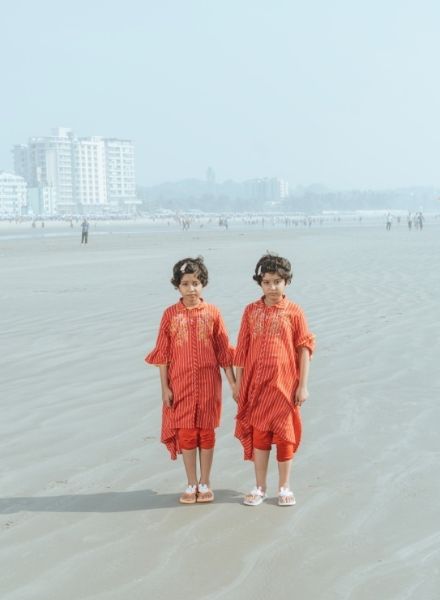
Die Gewinner des Leica Oskar Barnack Award 2023 ist der in Bangladesch geborene und in den USA lebende Fotograf Ismail Ferdous. Für seine Serie „Sea Beach“ wurde er im 43. Wettbewerbsjahr des LOBA in der Hauptkategorie ausgezeichnet.
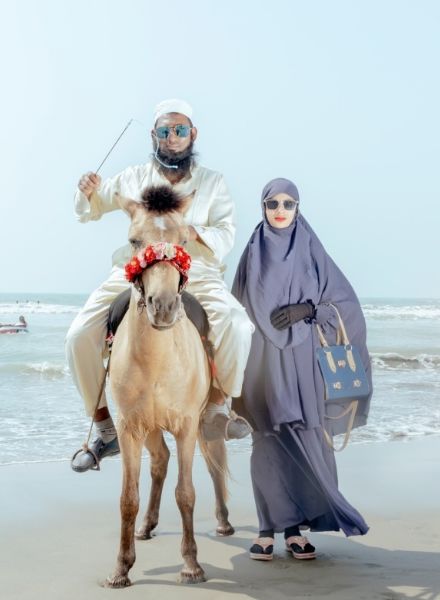
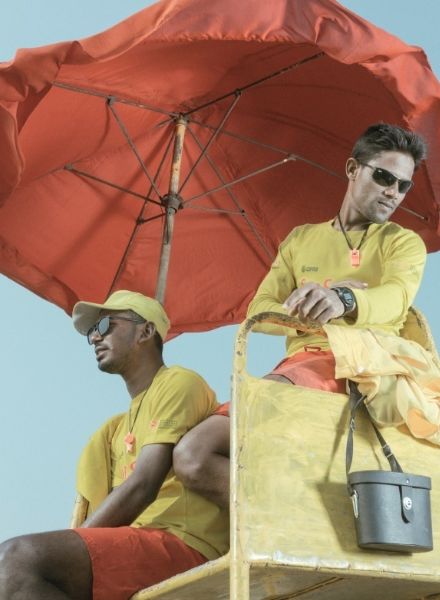
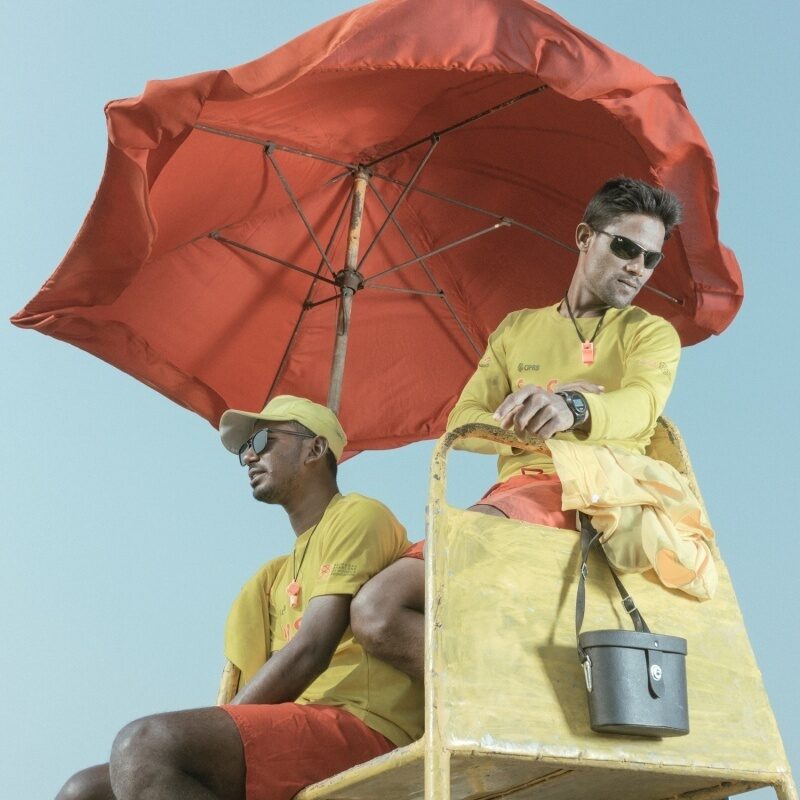
Der Fotograf hat in seiner Serie Menschen am Strand von Cox's Bazar porträtiert, darunter Paare, Kinder, Großfamilien, Muschelsuchende, Verkäufer, Fischer und Rettungsschwimmer. Der Strand ist für sie alle ein einzigartiger Ort, sei es für Erholung, Ablenkung oder Arbeit. Er liegt in der Nähe der gleichnamigen Stadt Cox’s Bazar am Golf von Bengalen und ist mit seinen 120 Kilometern der längste natürliche Meeresstrand der Welt. In leuchtenden Farben präsentiert die Serie die kulturelle Vielfalt von Bangladesch auf beeindruckende Weise.
Für den Fotografen ist der Strand ein Sehnsuchtsort, war er doch bereits seit seiner frühesten Kindheit regelmäßig mit seiner Familie und später mit Freunden dort. Doch die Etikette und das Verhalten der Strandbesucher in den USA unterscheidet sich fundamental vom traditionellen Strandleben in Bangladesch. Sonnenbaden ist am Strand von Cox’s Bazar verpönt, auch Schwimmen ist unüblich, eher geht es um das Flanieren am Strand, um die Gemeinschaft mit der Familie und Freunden; sogar ganze Unternehmen kommen mit ihren Angestellten an den Strand.
Um ein strahlendes Licht über die Aufnahmen zu legen, fotografierte Ferdous nur in den Wintermonaten, immer in der Mittagszeit und nutzte zusätzliche künstliche Lichtquellen. So entstand eine Serie, die seinen Sehnsuchtsort abbildet, ohne jedoch auch auf aktuelle Themen zu verzichten: Konsum und Luxus werden von ihm ironisch ins Bild gerückt, ebenso wie die sichtbaren Spuren des Klimawandels durch Bodenerosion.
'Beaches around the world have their own self-contained cultures, a natural mix of the local traditions with what tourists bring to offer. It is how beaches develop their distinct personality and Cox’s Bazar – the world’s longest natural sea beach located in Bangladesh – has one to call its own. I grew up in Dhaka, a city comprised of predominantly concrete. Cox’s Bazaar was and still is the most exciting vacation destination in Bangladesh. The beach serves as melting pot of Bangladesh’s culture. This is a place that every social class can afford a vacation. Until my early twenties, this was my only association with culture surrounding the beach and ocean.
The 96-mile-long nestled in the southern tip of Bangladesh along the Bay of Bengal is markedly different from its regional neighbours like Pattaya in Thailand or Goa in India. Tourists arrive at the beach dressed in their finest attires, delicately approaching the shoreline, eager to dip their feet in the brackish foams the tide brings. They stand like pilgrims at the end of a journey, content to look on at the horizon across the sea. Roving merchants seek out potential buyers among clusters of tourists, offering the full range of what candies or goods they have. There is a notable lack of urgency, as if time itself has advocated to deshoulder everyone’s burdens at the beach. The children yelp, but there is no raucous yelling in parental response. The air smells of salt and affection.
After living in the United States for a number of years and returning to Cox’s Bazaar, I am surprised by the culture. I see my own memories reflected in the beach goers collecting shells, making sand sculptures, or viewing newly wed couples taking photos on the shore. It is still the same as when I grew up, but also full of surprises. This series of photos represents both the connection and disconnection I feel towards an area overflowing with memories, knowing that this is what Bangladeshi beach culture is.'
Ismail Ferdous geboren 1989 und aufgewachsen in Dhaka, Bangladesch. Während seines Studiums der Wirtschaftswissenschaften an der Business School in Dhaka entschloss er sich, Fotograf zu werden. Er ist Mitglied der Agence VU’ in Paris und engagiert sich in seinen Fotografie- und Filmprojekten für soziale, kulturelle und humanitäre Themen. Ferdous arbeitet für die wichtigsten internationalen Zeitungen und Magazine, seine Arbeiten wurden vielfach ausgezeichnet. Seit 2016 lebt er in New York.