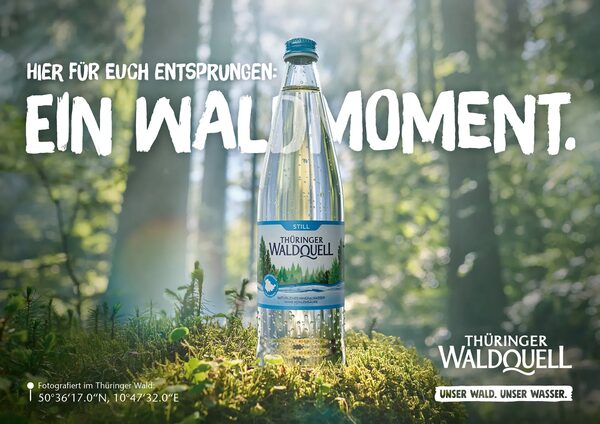
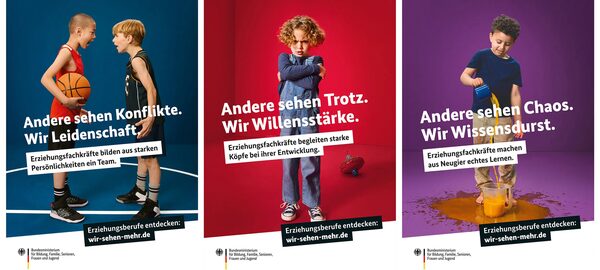
Als Vorreiter für neue Technologien, Trends und visuelle Umsetzung baut ANALOG DIGITAL sein internationales Artist Portfolio konsequent weiter aus und begrüßt mit AIOPOST ein hochspezialisiertes AI Studio für Next-Generation Post-Production und Moving Image.
AIOPOST ist eine Boutique-Postproduktionsfirma mit klarem Anspruch: bestehende Grenzen zu hinterfragen und neue Standards in der kommerziellen Bildproduktion zu setzen. Der Fokus liegt auf 3D-Animation, Visual Effects und AI-gestützter Produktion – immer mit dem Ziel, kreative Ideen präzise, effizient und auf höchstem visuellen Niveau umzusetzen.
Im Interview spricht ANALOG DIGITAL über die Zusammenarbeit mit AIO, die Rolle von AI in der heutigen Produktionslandschaft – und darüber, wo Technologie echten Mehrwert schafft und wo klassische Prozesse weiterhin unverzichtbar bleiben.
By representing AIO Studios, you’re expanding ANALOG DIGITAL’s expertise in AI-driven production. What convinced you that AIO was the right partner, and how do they fit into your portfolio? ANALOG DIGITAL: We’re always keeping an eye out for new partners, but we didn’t jump on the AI bandwagon straight away. We took our time and were actually quite sceptical at first. But then AIO happened to show up on our radar at just the right time.
We had the opportunity to work with them on a few smaller projects involving traditional post-production, where we needed specific AI-generated content. They’ve also supported us with AI tests, helping our clients understand both the possibilities and the limitations of the technology. We see AIO as a production partner - a vital part of our AD mix - whether it’s a hybrid production needing AI, VFX and classic post, or an alternative to what would normally be done in CGI or 3D. We recently finalised an AI production for a global pharmaceutical client that really proved how well this collaboration works.
Everyone talks about AI’s potential, but few discuss its limits. How do you decide when AI truly adds value and when traditional processes are the better choice? ANALOG DIGITAL: The thing with AI and its limits is that they keep shifting almost on a monthly basis. We approach each brief through our Analog Digital lens to find the right production solution, depending on the creative, the budget and the timing. It’s always a mix of these factors that ultimately helps us decide whether a traditional or AI-assisted production is the better choice.
A lot also depends on the client and their internal AI policies. Most still want to avoid generating humans, but are perfectly happy using AI to create high-end video based on images shot by a photographer using real talent. Others simply want to see where the current limits are and get the most out of their budget 😉 At the end of the day, we firmly believe that, especially in the advertising space, there will be room for both fully generative AI and traditional film and animation craft, and that these will co-exist for the foreseeable future.
You’ve described AI more as a creative infrastructure than just a tool. Has it changed the way you think, brief or develop concepts? ANALOG DIGITAL: AI is a multipurpose tool, but it’s only as creative as the person using it. I don’t think we’d still be here if we didn’t allow AI to influence the way we work. It’s helped us win pitches by generating storyboards, AI voice-overs or moods for treatments, while making tighter budgets and schedules possible. It hasn’t changed how we think - it’s simply given us a more efficient way to realise the vision.
AI promises speed, but quality often needs friction and time. How do you balance conceptual depth with the demand for efficiency? ANALOG DIGITAL: In the end, the process is still the same - and I think that’s the key thing to keep in mind. People often hear “AI” and assume it’s just some prompting and a few generations, but that’s very much not the case. We follow a traditional production process with time for creative feedback and correction rounds, just as we would with any other production method. The only difference is that the time between those rounds is getting shorter.
When expanding your roster today, what matters more than it did a few years ago: technical understanding, conceptual clarity - or the ability to ask the right questions?ANALOG DIGITAL: An outstanding portfolio is still king. Beyond that, all three are equally important - but I would be particularly suspicious of those who don’t ask the right questions. Technical skill is one thing, but you need curiosity to navigate this landscape.
AI can make everything look flawless. Do you think imperfection and character will become more relevant because of that? ANALOG DIGITAL: That’s a very good question. In terms of quality, apart from the occasional seven-fingered hand, AI can already look almost indistinguishable from the “real” thing with enough work - and honestly, it soon will be.
At the same time, as AI-assisted productions become more common in the advertising landscape, there will be brands and clients who want to go in the opposite direction and emphasise traditional craft, using behind-the-scenes material to showcase the human factor.
So yes - in certain cases, the imperfections and character of traditional filmmaking and animation techniques will move even more into the spotlight. Intermarché’s Unloved animated ad, or Apple’s Critter Carol and new animated logo, are wonderful examples.
Many brands want AI but aren’t quite sure what they actually need. What is the most important role ANALOG DIGITAL currently plays for its clients? ANALOG DIGITAL: One of our favourite stages of a project is the moment we receive a briefing and start analysing it. We provide clients with various production routes - whether it’s mixing photography with CGI, live-action with VFX, or doing everything in-camera. Now that we have AI in the mix, we simply keep doing what we’ve always done: using our know-how and production network to recommend what we believe is the best production approach.
Finally, what does an AI-driven production need to deliver today in order to be economically viable and sustainable in the long run? ANALOG DIGITAL: Now that’s the million-dollar question - literally! To be viable today, an AI-driven production can’t just be a cheaper version of a traditional shoot - it has to be a smarter one. AI allows us to meet clients’ needs for multiple assets, creative variations, formats and languages. What once required a production factory can now be handled through a well-planned, AI-assisted pipeline.
Using licensed, ethical models and securing IP rights is crucial to avoid problems further down the line. As for sustainability, shifting towards virtual workflows has already proven advantageous in many cases. For example, generating a realistic landscape versus shooting one on location can have positive economic and environmental effects - allowing budgets to be allocated more effectively while helping clients keep their carbon footprint in check.
It will be fascinating to see how this develops in the coming years. We’re living in exciting times 😉
Thanks for the thought-provoking questions. Some of them could easily keep us talking for hours without a definitive answer. In the meantime, we’ll keep balancing between the Analog and Digital worlds.