With Christian Schmidt, we welcome an internationally sought-after photographer to GoSee, known for creating global campaigns for major automotive brands while consistently pushing the boundaries between commercial photography and fine art.
Most recently, he impressed with the award-winning campaign “There is always a road” for ENTERPRISE MOBILITY, developed by BBDO New York. He was selected as photographer not least for his unique ability to combine transportation, landscape and artistic vision.
His work is defined by a clear visual language in which fine art always resonates – even in a commercial context. At the same time, Christian embraces new developments and technologies: he is currently working intensively with AI-driven workflows, creating visual worlds that merge transportation, people, landscape and art. Another focus lies on high-resolution 8K production, which is gaining strong traction with international clients.
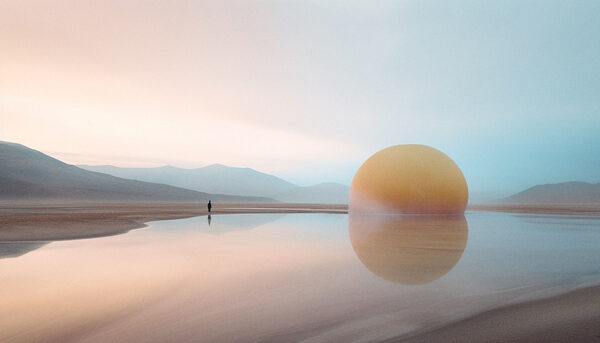
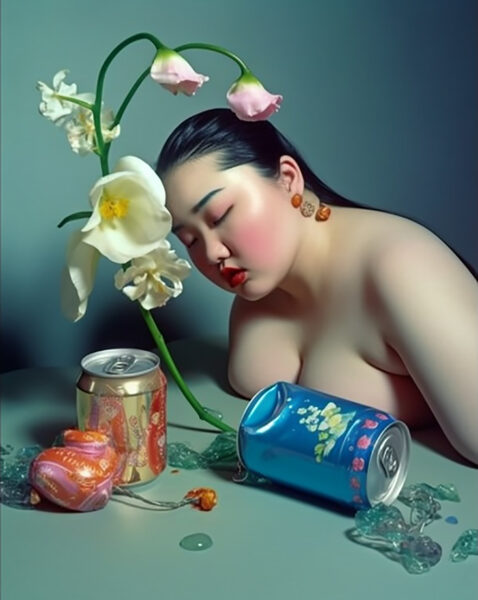
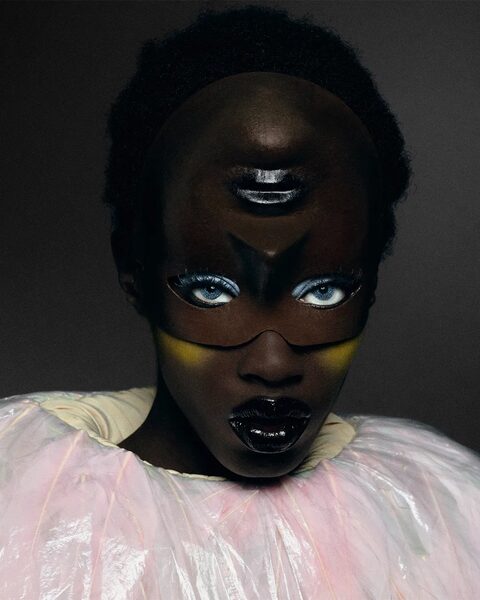
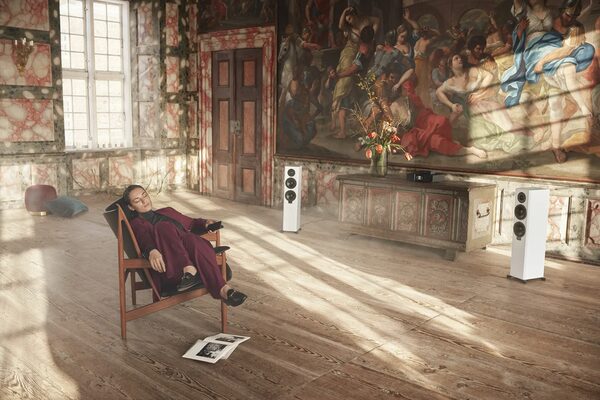
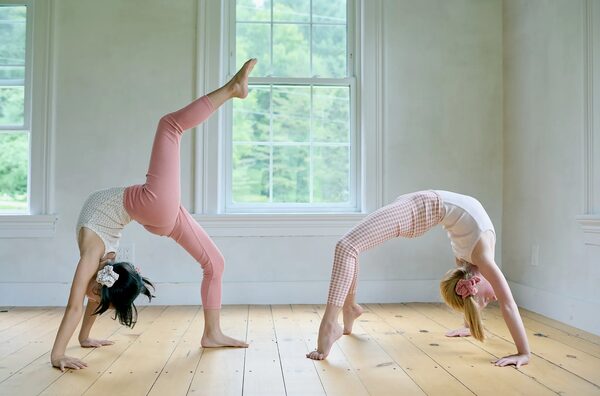
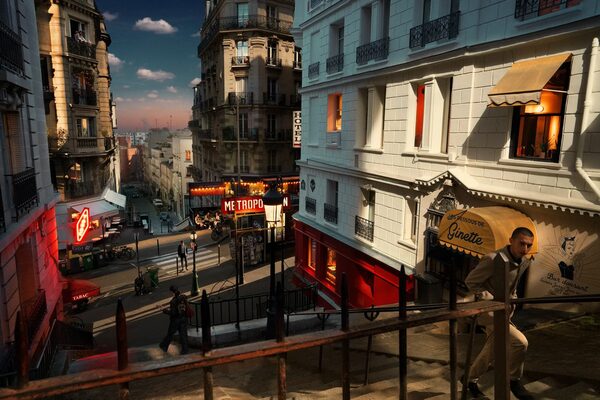
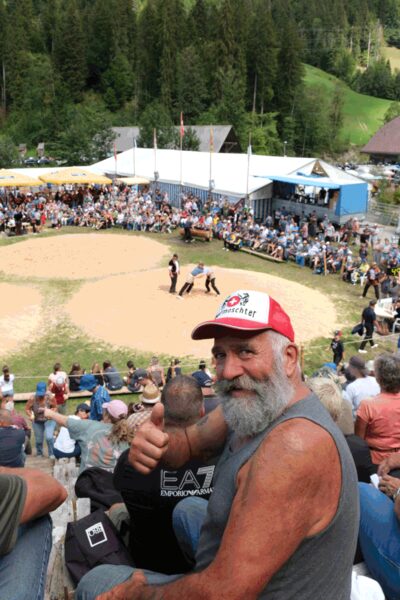
We present his latest work ‘Echoes From Tomorrow’ as well as an interview with Christian Schmidt on GoSee.
You are currently working extensively with AI and have developed a new transportation series combining cars, people and landscapes, produced entirely in 8K. What excites you about this process – and how does AI influence your visual language as a photographer?
Christian: In my work, I have always created images from the very beginning. Post-production and the conscious transformation of images have been part of my process since I started photography. I began at 16 – back in the days of the analogue darkroom. At the core, it has always been about creating a feeling.
What fascinates me about AI is that it is an incredibly powerful tool. You are completely thrown back onto yourself, because in the end only what you put into it – and how you evaluate it – comes out. Many traditional production steps disappear. At the same time, AI constantly forces you to ask: what do I really want to see?
In the process, you become something like a photographic painter. You create the world as you want to see it – not with a brush, but with words, references, multiple Photoshop steps and iterations until it feels right.
The series combines classic automotive imagery with landscapes and staged scenarios. How does this AI-based work differ from your previous productions – and what new visual worlds does it open up for transportation campaigns?
Christian: For me, everything always starts with a story: casting, styling, landscapes and an overall visual direction. The difference lies in the process. It’s an intensive exploration – a gradual approach in many steps, often like a ping-pong between different tools.
Over the past months, I have worked a lot on my AI skills. I was lucky that a client really pushed me into this field. It quickly became clear that we can create visual worlds that would be extremely complex and expensive to achieve through traditional photography or film.
There are hardly any limits anymore – except your own. At the same time, you are more challenged, because every decision directly affects the result. Although the images are artificially generated, they often feel more real than classic CGI. And the process itself feels more playful.
For this series, it was important to develop all images in 8K. Upscaling is a key part of the workflow. I’m convinced that many commercial visuals in the future will be created through AI. But for me, AI remains one thing above all: a tool that opens up new possibilities for creating images.
In your project “Nimbus”, you photograph clouds that resemble abstract landscapes. What fascinates you about this subject?
Christian: Clouds have fascinated me photographically for a long time. In the beginning, I even rented small planes to get closer to the formations. At some point, I realized that their immense scale can be just as powerful from the ground.
Clouds have an incredible depth and liveliness for me. They reflect life itself: every moment is fleeting, nothing stays the same. They exist only in that exact form for a brief moment – and change immediately. They represent a constant cycle of becoming and passing.
When photographing them, I enter a different space. It feels meditative, while at the same time creating a strong awareness of the present moment.