About
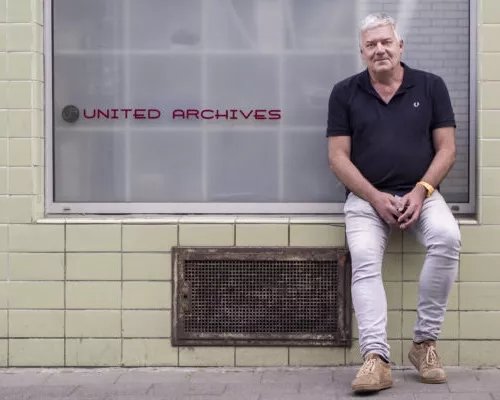
Frank Golomb - After studying at the Faculty of Economics at the University of Cologne, I founded my company in 1989 and, through US partners, gained access to historical image archives. In 1992, I acquired the first part of the estate of a press photographer (Erich Andres). In 1998, I undertook my first major transaction: the purchase of Kövesdi Presse Agentur GmbH (kpa), based in Berlin. The motivation for the acquisition was its extensive image archive, which documented the history of television in Germany.
From there, we progressed through the development and restructuring of a traditional photo agency to our current business model, in which we transform acquired analog image archives and the life's work of photographers into the digital world in a financially viable way, with all rights secured. In doing so, we strive to find models that balance economic viability with the preservation of cultural heritage – a topic of great relevance for many colleagues and administrators of image archives today.
Then, we moved on to the development of our current business model, which involves the economically sustainable transformation of all rights-owned analog image archives and the life's work of photographers into the digital realm. As of 2025, the company has stored several million photographs in two warehouses in Cologne, comprising more than 35 individual archives, personal papers, and estates.
Finding the right content-related and economic guidelines for digitization is the company's daily challenge and mission, ensuring its long-term sustainability. Collaboration with photoconsortium.net, and thus with the European Union's cultural portal (Europeana), is also crucial, as digital images are uploaded under Creative Commons (CC) licenses.